How to Start a Makeup Line Successfully in China?
In recent years, China has become a booming market for beauty products. Experts predict that the makeup industry will reach $77 billion by 2026. To successfully start a makeup line in this competitive landscape, understanding consumer behavior is crucial. "The key to success in the beauty industry is innovation and connection with your audience," says Dr. Zhang Wei, a leading figure in cosmetic entrepreneurship.
Navigating local regulations and preferences can be challenging. Brands must adapt to diverse consumer demands, which vary significantly across regions. Furthermore, recent studies suggest that 60% of Chinese consumers prefer brands that emphasize sustainability. This means new makeup lines should focus on eco-friendly products.
Despite potential, the journey to start a makeup line is fraught with obstacles. Many entrepreneurs underestimate the complexities of sourcing ingredients and establishing supply chains. Successful brands learn from these missteps to refine their strategies. Understanding trends and maintaining product quality are essential for long-term success in this rapidly evolving market.
Understanding the Chinese Cosmetics Market Landscape
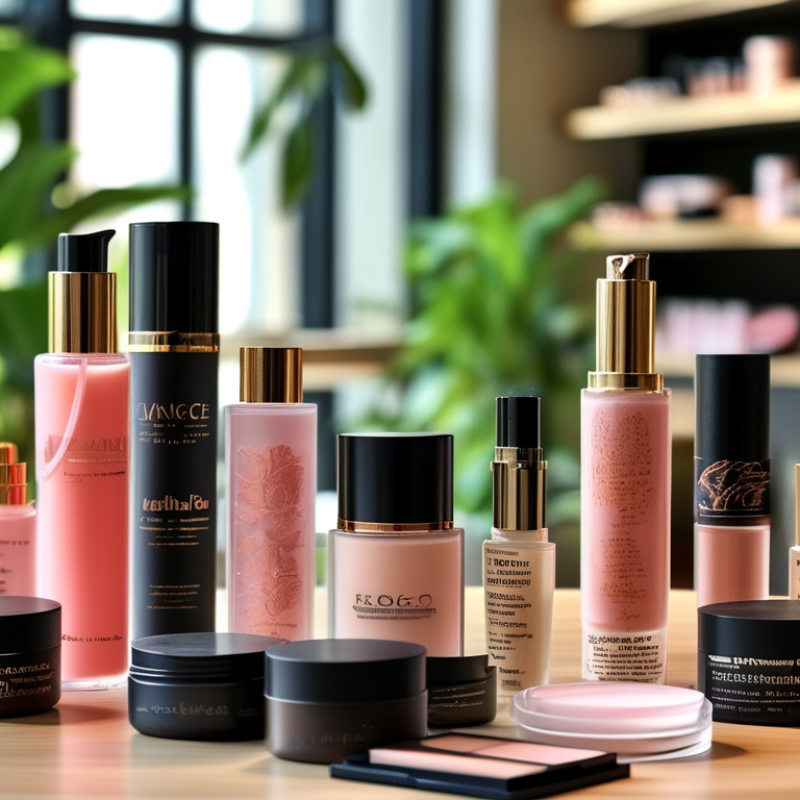
The Chinese cosmetics market is vast and diverse, presenting unique opportunities for new makeup lines. Understanding local consumer preferences is crucial. Many shoppers seek products that emphasize quality and eco-friendliness. Brand transparency is increasingly important. Consumers want to know where ingredients come from and how products are tested.
Entering this market demands careful research. Social media plays a significant role in shaping beauty trends. Platforms like Weibo and Douyin influence purchasing decisions. Establishing a strong online presence can help brands connect with their audience. Engaging content is key. However, competition is fierce, and standing out is not easy.
Many new brands overlook the importance of product localization. Adapting formulas and packaging to suit Chinese tastes can enhance appeal. Feedback from potential customers is invaluable. Testing different marketing strategies may reveal what resonates best. Continuous learning and adaptation are necessary. Only then can a new makeup line thrive amidst the complexities of this growing market.
Cosmetics Market Analysis in China (2023)
Identifying Your Target Audience and Niche
Identifying your target audience and niche is essential for launching a successful makeup line in China. The Chinese beauty market is vast and dynamic. Understanding your audience’s preferences can help tailor your products accordingly. Different age groups have varying desires. For example, younger consumers may prefer vegan formulations, while older demographics may seek anti-aging solutions.
Analyzing trends is crucial. Recent data shows a growing interest in natural ingredients. Consumers are also becoming more environmentally conscious. Thus, positioning your makeup line as sustainable can meet rising demand. However, it’s important to acknowledge that not every product will resonate with every audience. Be prepared to face criticism and adapt.
Consider collaborating with local influencers to gain insights. They can provide valuable feedback on your concepts. Connecting with your customer base will refine your approach. Remember, this journey is not just about sales. It’s about building a brand that represents your values and resonates with consumers. Test your ideas and be open to improvement. This adaptability can ultimately define your success in the competitive Chinese market.
Creating a Unique and Compliant Product Line
Creating a unique and compliant product line in China’s booming beauty market is essential for new brands. The Chinese cosmetics market is projected to exceed $70 billion by 2025. However, entering this market requires more than just innovative formulations. Compliance with local regulations is paramount, especially regarding labeling and ingredient safety. This can be tricky, as regulations may change frequently.
To stay ahead, conduct thorough market research. Understand local consumer preferences and skincare trends. For example, a 2022 report indicated that nearly 40% of Chinese consumers prefer environmentally friendly products. This insight can guide product development. If you're looking at ingredients, consider how cultural preferences impact formulation choices. Chinese consumers often focus on gentle, natural ingredients.
When building a product line, think about packaging as well. In a visually driven market, unique and sustainable packaging can greatly enhance brand appeal. Regularly solicit feedback from potential customers. This not only improves products but also builds a loyal community early on. Engaging with consumers can reveal gaps in the market. For instance, many brands overlook the demand for specific skincare solutions tailored to local climates.
Stay informed about regulations. Consult with experts who understand the Chinese market. This increases your chances of a successful launch. Mistakes in compliance can lead to costly delays or setbacks. In this fast-paced market, agility is key. Responding to feedback and market changes rapidly can set your brand apart.
Effective Marketing Strategies for the Chinese Market
The Chinese cosmetics market is booming, with an estimated worth of $77 billion in 2023. To succeed, brands must tailor their marketing strategies to resonate with local consumers. One effective approach is to leverage social media platforms. Popular channels like WeChat and Douyin allow brands to engage users through interactive content, fostering a personal connection.
Understanding consumer trends is crucial. A recent report from KPMG highlighted that 70% of Chinese consumers prefer buying cosmetics through e-commerce. This trend signifies that investing in online marketing is non-negotiable. Authenticity and transparency in product messaging are preferred. Collaborating with local influencers can enhance credibility. Influencers can showcase products in a relatable context, making them more attractive to potential buyers.
However, challenges exist. Some brands find it difficult to navigate the cultural nuances. What works in Western markets may not resonate in China. Many brands initially struggle with this cultural gap. Testing campaigns on a smaller scale can provide insights, allowing adjustments before a larger launch. The key lies in being adaptable and open to feedback from local consumers. Effective marketing in China demands a blend of creativity, research, and responsiveness.
Navigating Distribution and Retail Partnerships in China
Navigating distribution and retail partnerships in China requires a strategic approach. The market is huge, but it is also highly competitive. Understanding local consumer preferences is crucial. You must find partners that align with your brand values. This will help create a cohesive brand image in the market.
Consider partnering with established local distributors. They possess valuable insights into market dynamics. They know the trends, consumer behavior, and regulatory landscape necessary for success. Building these relationships takes time and effort. Regular communication and feedback enhance trust and collaboration.
However, be aware that not all partnerships will flourish. Misalignments can arise. It’s essential to evaluate your partners consistently. Monitor their performance and market changes. Stay flexible, adapting your strategies when needed. Reflecting on what works and what doesn’t will guide future decisions, leading to long-term success in this unique market.