Why Choose Cosmetics Private Label for Your Brand?
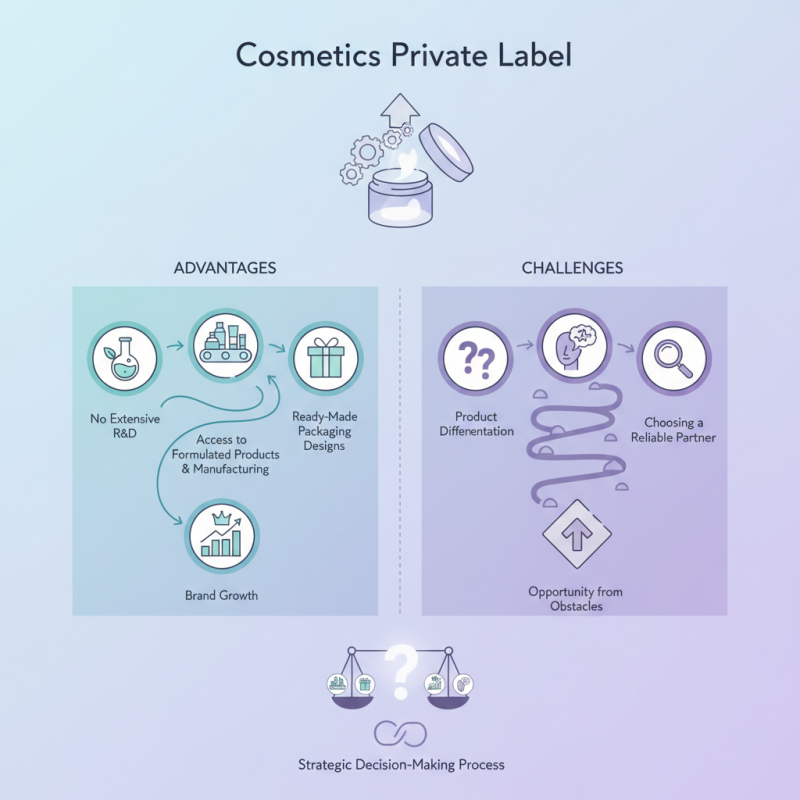
In today's competitive beauty industry, the choice of branding can significantly impact your success. Many brands opt for cosmetics private label solutions. This strategy allows brands to offer exclusive products without extensive research and development costs. By leveraging a cosmetics private label, businesses gain access to formulated products, manufacturing processes, and packaging designs.
However, not every private label partnership is created equal. It is essential to choose a supplier with a robust reputation and proven expertise in the cosmetics industry. Brands must conduct thorough research to ensure compatibility and quality assurance. A reliable partner can elevate your brand while maintaining the integrity of your vision.
The decision to choose cosmetics private label is not without its challenges. You may face issues concerning product differentiation and brand identity. Your choice directly reflects your values and how you connect with your audience. By navigating these complexities wisely, you can turn potential obstacles into opportunities for brand growth.
Understanding Private Label Cosmetics and Their Benefits
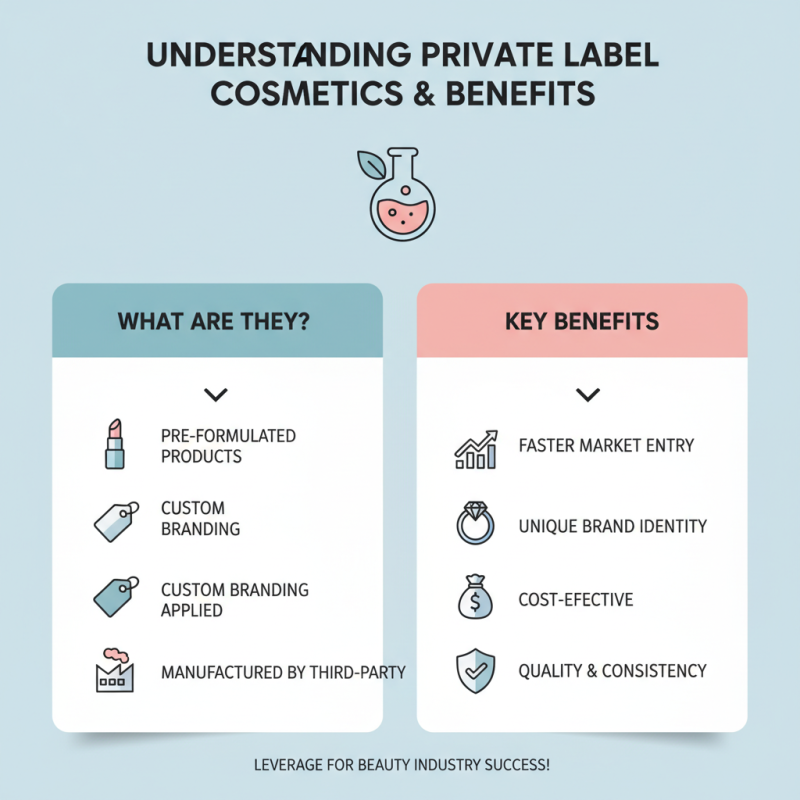
Private label cosmetics have gained popularity among brands looking to leave a mark in the beauty industry. These products offer a unique way to cater to specific consumer needs while ensuring quality and consistency. Understanding private label cosmetics is key to leveraging their benefits effectively.
One major advantage is customization. Brands can create formulations tailored to their target audience. This helps in building a loyal customer base. However, some brands struggle with product differentiation. It's essential to research market trends and consumer preferences. Engaging in focus groups can provide insights for refining product offerings.
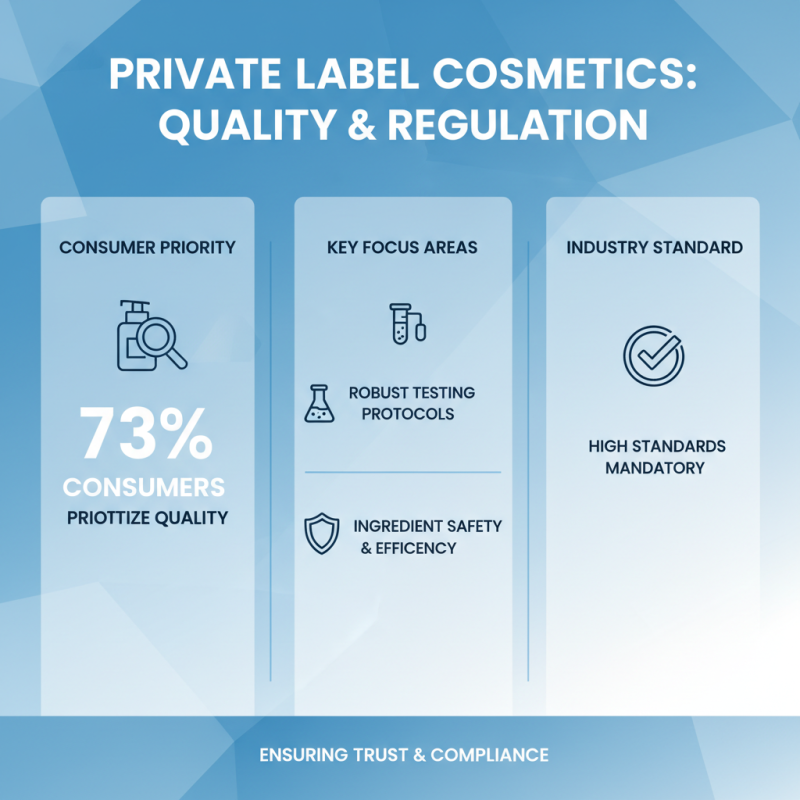
Tips for successful private label cosmetic launches include maintaining quality control and emphasizing unique selling points. Ensure your products are tested for safety and efficacy. Focus on transparent communication about your ingredients. Additionally, investing in attractive packaging can capture consumer attention. Small changes can significantly impact market perception. Brands should remain adaptable and willing to iterate based on feedback. Listening to customers enables growth and strengthens brand loyalty.
The Cost-Effectiveness of Private Label Cosmetics for Businesses
Private label cosmetics offer a unique advantage for businesses seeking cost-effectiveness. By partnering with a manufacturer, brands can create customized products. This allows businesses to avoid the high costs associated with developing products from scratch. Manufacturers often have existing formulas, which can significantly reduce development time.
Moreover, private label cosmetics allow for flexibility. Companies can choose the ingredients and packaging that reflect their brand identity. This helps create a unique selling proposition without bearing the full burden of production costs. While the initial investment may still be needed, the overall financial risk is lower compared to traditional branding.
However, it's essential to approach this model with caution. Not all manufacturers provide the same quality control. Research and due diligence are critical. Selecting a manufacturer with a good reputation and positive reviews can protect your brand’s integrity. Quality matters, as poor products can harm your business reputation quickly. Balancing cost-saving measures with product quality is vital for long-term success in the cosmetics industry.
Why Choose Cosmetics Private Label for Your Brand? - The Cost-Effectiveness of Private Label Cosmetics for Businesses
| Cost Factors |
Private Label Cosmetics |
Branded Cosmetics |
| Production Cost |
$3.50 |
$10.00 |
| Marketing Cost |
$1.00 |
$4.00 |
| Packaging Cost |
$0.50 |
$2.00 |
| Total Cost |
$5.00 |
$16.00 |
| Retail Price |
$15.00 |
$40.00 |
| Profit Margin |
$10.00 |
$24.00 |
Brand Customization Opportunities with Private Label Products
Customizing your cosmetic brand with private label products offers endless possibilities. These products allow you to express your brand's identity effectively. You can choose colors, scents, and packaging that resonate with your target audience. The ability to tailor these aspects helps build a connection with consumers.
Tips: Focus on your brand story. This will inform your customization choices. Make every detail intentional to avoid appearing generic. Understand your audience. Research what your customers want. This information is crucial in making informed choices.
Private label products also encourage innovation. Experimenting with different formulas can set you apart in a crowded market. However, not every idea will succeed. Embracing trial and error can lead to a stronger brand. Just remember, successful launches often come from lessons learned through past mistakes.
Tips: Start with a small batch. This approach reduces risk while allowing exploration. Gather feedback early. Listen to customers to streamline future products. Adapting quickly is vital in the beauty industry.
Market Share of Different Private Label Cosmetics Categories
Marketing Strategies for Promoting Private Label Cosmetic Brands
In the competitive landscape of beauty products,
private label cosmetics present unique marketing opportunities. A recent report indicates that the
private label market is projected to grow by 7% annually.
This surge reflects consumers’ increasing trust in non-branded products, often perceived as offering
better value for money. Brands that harness this trend can implement targeted strategies to
differentiate their offerings.
Engaging storytelling is crucial in promoting private label cosmetics.
Brands can leverage social media to showcase authentic experiences. A study found that
77% of consumers are more likely to engage with brands that share
relatable narratives. Using visual content, such as tutorials and user-generated reviews,
promotes product confidence. Highlighting quality ingredients can also reassure potential customers, as
63% of consumers prioritize ingredient transparency when choosing cosmetics.
However, brands must remain vigilant. Marketing private label lines can lead to misjudgment of consumer
preferences. Some consumers may not trust lesser-known labels as much as established brands. It's
essential to invest in market research to understand target demographics.
Consumer preferences can change rapidly. Brands should be adaptable and ready to refine approaches based
on feedback and market trends. Emphasizing quality and consistency remains
key amidst the evolving landscape.