Top 10 Private Label Makeup Brands You Should Know?
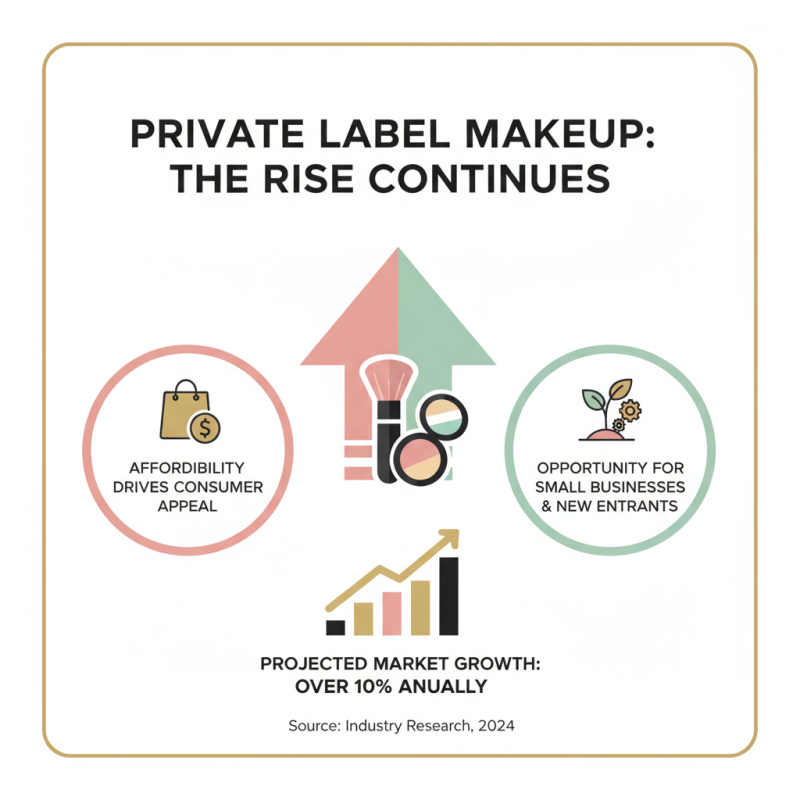
The beauty industry is evolving, with private label makeup brands gaining significant traction. These brands allow retailers to offer unique products under their own name. They focus on quality, and many consumers prefer them for their affordability.
Private label makeup often showcases innovative formulations and packaging. Customers can find diverse options, from foundations to eye shadows. Yet, not all private label makeup brands are created equal. Some may lack transparency in ingredient sourcing. This aspect can raise concerns for health-conscious buyers.
As we dive into the top 10 private label makeup brands, it’s important to examine their strengths and weaknesses. Understanding these factors will help you make informed choices. Explore the world of private label makeup brands and discover what sets them apart in today’s competitive market. These brands can surprise and delight, but also prompt reflection on ingredient integrity and brand accountability.
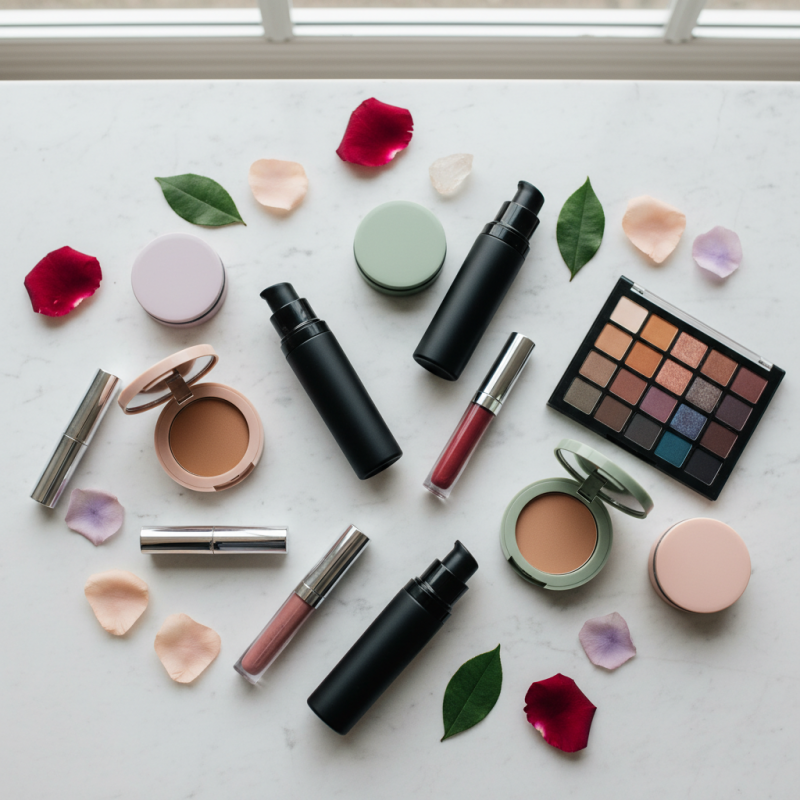
Overview of Private Label Makeup Brands
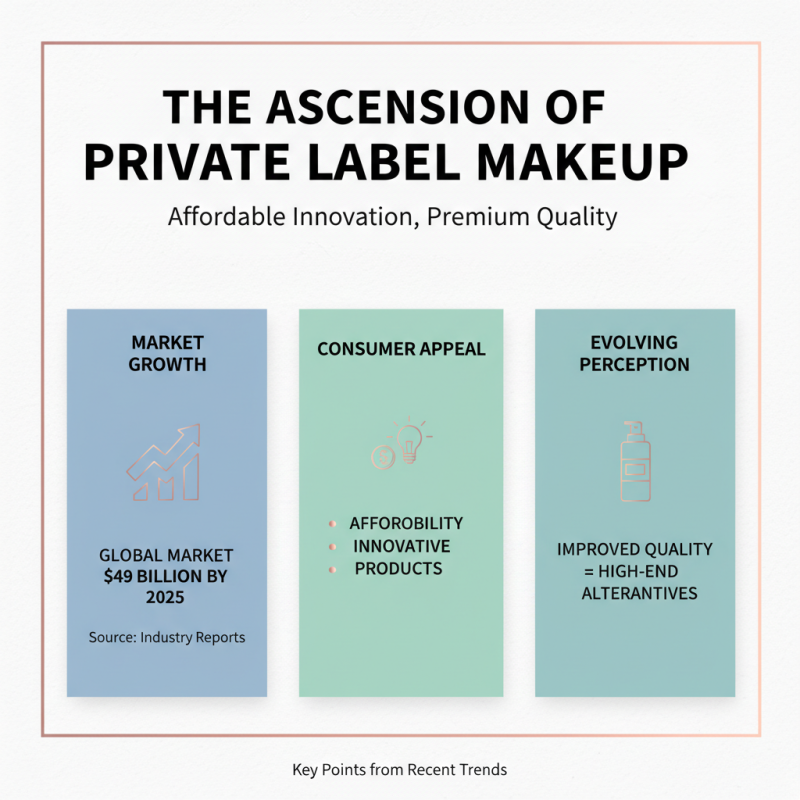
Private label makeup brands have gained significant traction in recent years. Industry reports indicate that the global private label cosmetics market will reach $49 billion by 2025. Consumers are drawn to these brands for their affordability and innovative products. Quality has improved, often matching high-end alternatives.
When exploring private label options, consider product ingredients. Many consumers prioritize cruelty-free and vegan formulations. Reports suggest that 62% of shoppers think about ethical sourcing when purchasing cosmetics.
Tips: Always check the ingredients list. Evaluate if the formulas meet your personal standards. Don’t overlook smaller brands; they often offer unique products. Quality can vary, so research customer reviews. This enhances your chances of finding a favorite.
Remember that packaging can be deceiving. Glitzy designs may not reflect product effectiveness. Consider packing return policies when trying new products. Testing is essential; what works for others may not work for you. Retailers may provide samples which can be helpful. Always take time to reflect on what fits your needs best.
Top 10 Private Label Makeup Brands to Watch
Exploring the world of private label makeup brands reveals a diverse array of options. Many brands focus on unique formulations and inclusive shade ranges. Consumers are increasingly drawn to these brands as they offer high-quality products at competitive prices. Their flexibility allows experimentation with different styles and innovative concepts.
Some private label brands struggle with consistency in quality. A foundation might work beautifully for one person but not for another. It's essential to read reviews and test products when possible. Unique packaging often catches the eye, but it can also lead to disappointment if the product doesn’t meet expectations.
Sustainability is a common goal among newer brands, but not all achieve it effectively. Some brands tout eco-friendly ingredients yet package their products in non-recyclable materials. This contradiction reflects a broader challenge within the industry. Developing transparency in ingredient sourcing and manufacturing practices is crucial. The journey of private label makeup brands is exciting but requires careful consideration from buyers.
Top 10 Private Label Makeup Brands to Watch
Key Features of Successful Private Label Makeup Products
Private label makeup products are gaining popularity. Consumers seek unique items that stand out. Successful private label brands often prioritize quality ingredients. They understand that formulation is key. High-quality ingredients create better user experiences. In turn, this builds brand loyalty. Packaging also matters a lot. Eye-catching designs attract potential buyers. Sustainable materials resonate well with eco-conscious consumers.
Another vital feature is effective marketing. Brands should identify their target audience. Clear messaging can foster deeper connections. Social media plays a significant role here. Engaging visuals and relatable content draw interest. However, many brands struggle with consistency across different platforms. This inconsistency can confuse potential customers.
Lastly, flexibility is essential in product offerings. Trends evolve quickly in the beauty industry. Brands must adapt and innovate regularly. Some might overcommit to certain products, leading to losses. A balance between risk and stability is needed. Creating a feedback loop with customers helps refine products. Building a strong community around a brand encourages customer involvement. Such practices can transform private labels into household names.
Tips for Selecting Quality Private Label Makeup Brands
Choosing quality private label makeup brands can be tricky. The market is diverse, with numerous options available. According to the 2022 Cosmetic Market Report, around 36% of consumers prefer private label products over national brands due to competitive pricing and perceived value. However, not all private label brands maintain high standards.
Look for brands that prioritize ingredient quality. An average consumer's knowledge of ingredients is growing. Approximately 52% of buyers research product formulations before making decisions. Transparency in sourcing and manufacturing is crucial. Brands that provide detailed information about their ingredients build trust with consumers.
Avoid brands that lack customer reviews or reliable testimonials. A 2023 survey indicated that 77% of customers rely on reviews for skincare and makeup products. Also, check for certifications and quality assurance. Brands with certifications often meet higher standards. However, remember that certifications don't guarantee quality; some may be superficial. Always test products when possible. This strategy helps to evaluate performance and feel on your skin.
Top 10 Private Label Makeup Brands You Should Know
| Rank |
Product Variety |
Quality Rating |
Price Range |
Sustainability |
| 1 |
Foundations, Lipsticks, Eyeshadows |
4.8/5 |
$10 - $50 |
Eco-friendly packaging |
| 2 |
Mascaras, Blushes, Highlighters |
4.6/5 |
$15 - $40 |
Cruelty-free |
| 3 |
Lip Glosses, Eyeliners, Brushes |
4.5/5 |
$8 - $30 |
Vegan formulations |
| 4 |
Primers, Setting Sprays, Powders |
4.7/5 |
$12 - $45 |
Recyclable materials |
| 5 |
Nail Polishes, Skincare |
4.4/5 |
$5 - $25 |
Sustainable sourcing |
| 6 |
Lip Care, Face Masks |
4.9/5 |
$6 - $20 |
Organic ingredients |
| 7 |
Palettes, Setting Powders |
4.5/5 |
$10 - $35 |
Biodegradable packaging |
| 8 |
Eyelash Products, Face Highlighters |
4.3/5 |
$7 - $28 |
Cruelty-free |
| 9 |
Makeup Removers, Face Mists |
4.6/5 |
$9 - $32 |
Environmentally conscious |
| 10 |
Body Care, Fragrances |
4.5/5 |
$11 - $55 |
Fair trade ingredients |