7 Best Cosmetics Private Label Manufacturers
The beauty market is expanding, but selecting a manufacturing partner remains surprisingly difficult. Grand View Research valued the global cosmetics market at approximately $446.2 billion in 2023. Its report also projects strong growth through 2030, supported by skincare demand, premium products, and online retail. These figures create opportunity, yet they do not guarantee success for every new brand.
A reliable cosmetics private label manufacturer must offer more than attractive packaging. Formula development, ingredient traceability, stability testing, minimum order quantities, and production consistency all affect commercial results. McKinsey’s The State of Fashion: Beauty report expects the global beauty industry to approach $580 billion by 2027. Meanwhile, NIQ’s consumer research continues to highlight value, product efficacy, and transparent claims as important buying factors. Customers notice details. They read ingredient lists beside the bathroom mirror. They compare textures, scent, and results before placing another order.
That makes supplier evaluation essential. The 7 Best Cosmetics Private Label Manufacturers featured in this guide are assessed through practical criteria, including manufacturing experience, quality systems, customization options, compliance support, lead times, and communication. Public information can be incomplete. Some manufacturers present impressive catalogs but provide limited technical detail. That deserves caution. No supplier is perfect for every business, and a smaller factory may sometimes offer better collaboration than a famous name. Buyers should verify certifications, request samples, review testing documents, and clarify ownership of formulas before signing agreements. Market reports offer direction, not certainty. Real product testing still matters most.
What Private Label Cosmetics Manufacturing Involves
What Private Label Cosmetics Manufacturing Involves
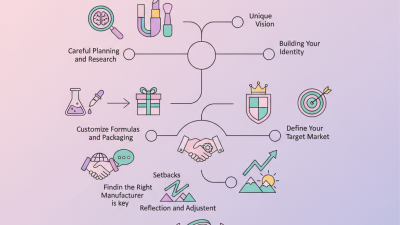
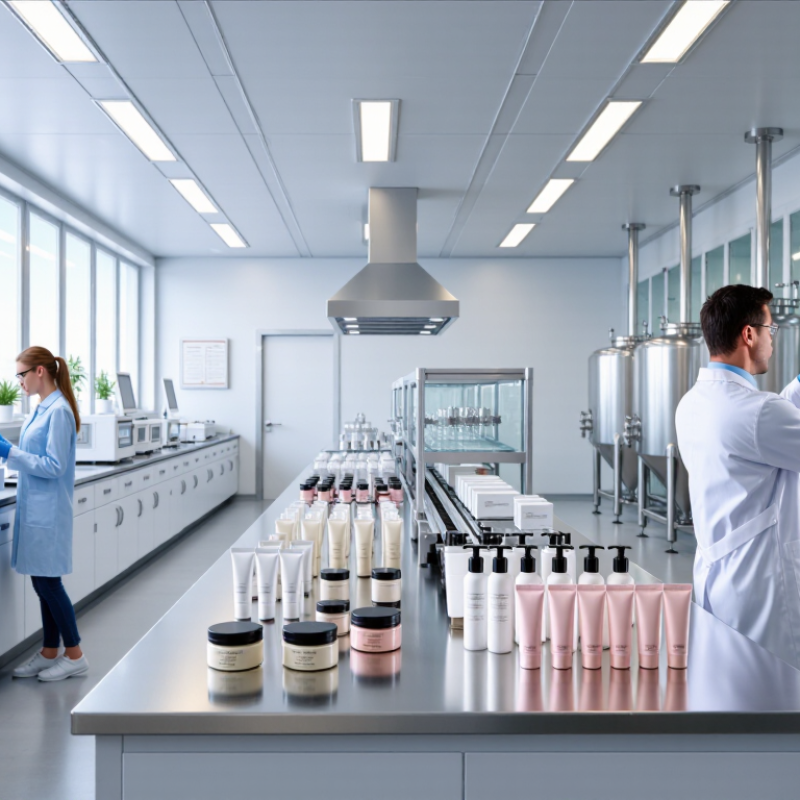
Private label cosmetics manufacturing turns a product idea into a tested, packaged item. The process usually includes formulation, ingredient sourcing, sample approval, stability testing, packaging, and production. A manufacturer may use an existing base or develop a formula from scratch. The choice affects cost, minimum order quantity, and launch speed. McKinsey’s 2023 beauty report estimated that the global beauty market could reach about $580 billion by 2027. This growth creates opportunity, but it also raises quality expectations.
A reliable partner should explain every production stage clearly. Ask for ingredient specifications, microbial testing, stability results, packaging compatibility checks, and batch records. ISO 22716 provides widely recognized good manufacturing practice guidance for cosmetics. However, certification alone does not guarantee a suitable product. A beautiful sample can still separate after heat exposure. The weak point is often an unclear product brief. Define texture, fragrance, target user, claims, and shelf-life expectations before sampling. Grand View Research reported a global cosmetics market value of approximately $343.37 billion in 2023, showing why disciplined development matters in a crowded category.
Tips:
Request a pilot batch before full production. Test the filled package, not only the formula. Confirm who owns the formula, artwork, test data, and unused packaging. Leave time for revisions; the first sample is rarely perfect.
How to Evaluate a Private Label Cosmetics Manufacturer
7 Best Cosmetics Private Label Manufacturers
How to Evaluate a Private Label Cosmetics Manufacturer
Choosing a private label cosmetics manufacturer requires more than comparing prices. Visit the facility, if possible, and inspect production areas, storage conditions, and batch records. Ask how the manufacturer tests raw materials, finished products, stability, and microbial safety. Reliable suppliers should provide clear documentation, including ingredient lists, certificates of analysis, and manufacturing standards. Their answers should be specific, not polished but vague.
Request product samples from different production batches. Compare texture, fragrance, color, packaging fit, and labeling accuracy. Check minimum order quantities, lead times, customization limits, and quality-control procedures. Ask who handles complaints and how corrective actions are recorded. A manufacturer may offer impressive samples yet struggle with repeatability. That gap matters. No checklist is perfect. A second review often reveals missing details.
Tips: Speak with the technical and quality teams, not only sales staff. Request a written development timeline. Confirm that marketing claims can be supported by appropriate evidence. Review packaging compatibility under heat, light, and transport conditions. Keep communication records. Small delays during testing are acceptable; unexplained changes are not. A dependable partner welcomes reasonable questions, admits limitations, and improves its process when evidence shows a weakness.
Seven Leading Private Label Cosmetics Manufacturers Compared
7 Best Cosmetics Private Label Manufacturers
Seven Leading Private Label Cosmetics Manufacturers Compared
The seven manufacturers were compared across formulation expertise, minimum order quantities, testing, packaging, and production speed. These factors matter more than attractive sample jars. McKinsey’s 2023 beauty report expects the global beauty market to approach $590 billion by 2028, with annual growth near 6%. That expansion increases demand for flexible private label production, especially among smaller retailers.
Manufacturer One offers low minimums and fast pilot batches, but its packaging range is limited. Manufacturer Two provides strong skincare formulation support and detailed stability records. Manufacturer Three performs well in color cosmetics, with broader shade development and filling equipment. Manufacturer Four appears stronger in organic-style formulations, although certification claims require careful verification. Manufacturer Five offers competitive pricing at higher volumes. Manufacturer Six focuses on premium textures, airless pumps, and custom fragrance development. Manufacturer Seven provides balanced services, including regulatory documents and export support.
The comparison should not rely on factory photographs alone. Ask for recent GMP evidence, batch records, ingredient specifications, microbial testing, and clear lead-time commitments. The Personal Care Products Council reports that consumer safety and product substantiation remain major industry priorities. That makes documentation a practical buying criterion, not paperwork for its own sake. No ranking is perfect. Supplier performance can change with production schedules, material shortages, or staff turnover. A small trial order often reveals more than a polished sales presentation.
Key Services and Product Capabilities to Examine
Selecting a private label cosmetics manufacturer requires more than comparing prices. McKinsey’s 2023 beauty report estimates that the global beauty market could reach about $580 billion by 2027. This growth increases pressure on suppliers to deliver consistent quality and faster launches. Examine formulation expertise, minimum order quantities, filling equipment, packaging options, and scale-up procedures. Ask for stability, microbiological, compatibility, and preservative testing records. A supplier should also explain ingredient traceability and product claim support in clear language.
Product capability matters at every stage. Can the manufacturer create creams, serums, cleansers, color cosmetics, or sun-care products? Can it adjust texture, fragrance, viscosity, and shade accurately? ISO 22716-based production controls can indicate disciplined cosmetic manufacturing practices, although certification alone does not guarantee perfect performance. NIQ’s 2024 State of Beauty report reported 7.3% year-over-year global beauty growth, making reliable replenishment increasingly important. A low MOQ sounds attractive. However, it may conceal weaker purchasing power, limited testing, or inconsistent raw materials. That deserves reflection.
Tips: Request three production samples from different batches. Compare color, scent, texture, fill weight, and packaging fit. Review certificates, audit findings, lead times, and complaint procedures. Ask how rejected units are handled. Do not rely only on a polished presentation. A practical factory visit, when possible, can reveal storage conditions, labeling discipline, and line cleanliness. Also confirm whether the manufacturer documents regulatory requirements for every target market before approving artwork or claims.
7 Best Cosmetics Private Label Manufacturers: Key Services and Product Capabilities to Examine
Suggested assessment weights for comparing private label cosmetics manufacturers. The framework emphasizes formulation expertise, compliance, production reliability, and product development support rather than company or brand performance.
The percentages represent a practical evaluation framework totaling 100%. Buyers should verify each capability through documentation, samples, audits, testing records, and production agreements.
How to Choose the Right Manufacturer for Your Brand
Choosing among the seven best cosmetics private label manufacturers requires more than comparing catalogues or prices. Start with product fit. Ask whether the manufacturer handles your formula type, packaging format, target market, and expected order volume. A facial serum may need different filling equipment than a solid balm. Request recent samples, ingredient specifications, allergen information, and stability testing details. Test the samples on skin and packaging, not only by appearance.
Reliable manufacturers should explain their quality systems clearly. Look for documented GMP procedures, batch records, raw material traceability, and independent laboratory testing. Ask how they manage microbial testing, preservative performance, and product changes. Review certificates carefully, since a certificate alone does not prove daily quality. Request a factory video call or an on-site audit when possible. Small details matter. Check whether labels, claims, and safety files can support your selling region’s requirements.
Communication often reveals more than a polished website. Ask for a written timeline covering formulation, sampling, artwork approval, production, and delivery. Clarify minimum order quantities, payment stages, rejected batches, and ownership of custom formulas. A low quote can hide expensive delays. I have learned that fast replies do not always mean strong technical support. Some manufacturers answer confidently but avoid precise documents. That is a warning. Leave room for imperfect trials, because the first sample may need changes in texture, fragrance, or dispensing performance.