What is Skincare Private Label USA and How to Start Your Brand?
The skincare industry is continually evolving. A notable segment is the "skincare private label USA," which offers opportunities for new brands. According to a recent report by Statista, the U.S. skincare market is projected to reach $13.2 billion by 2026. This growth highlights the potential for entrepreneurs in this field.
Industry expert Dr. Emily Johnson, a renowned cosmetic chemist, emphasizes the importance of quality. She states, “Choosing the right private label partner can make or break your skincare brand.” This highlights the need for meticulous research and planning.
Yet, starting a brand is not without challenges. Many new entrepreneurs face struggles with product formulation and marketing strategies. It's essential to understand that success in the skincare private label USA market requires ongoing learning and adaptation to consumer preferences. With careful planning and a focus on quality, aspiring brand owners can navigate this competitive landscape.
Understanding Private Label Skincare in the USA
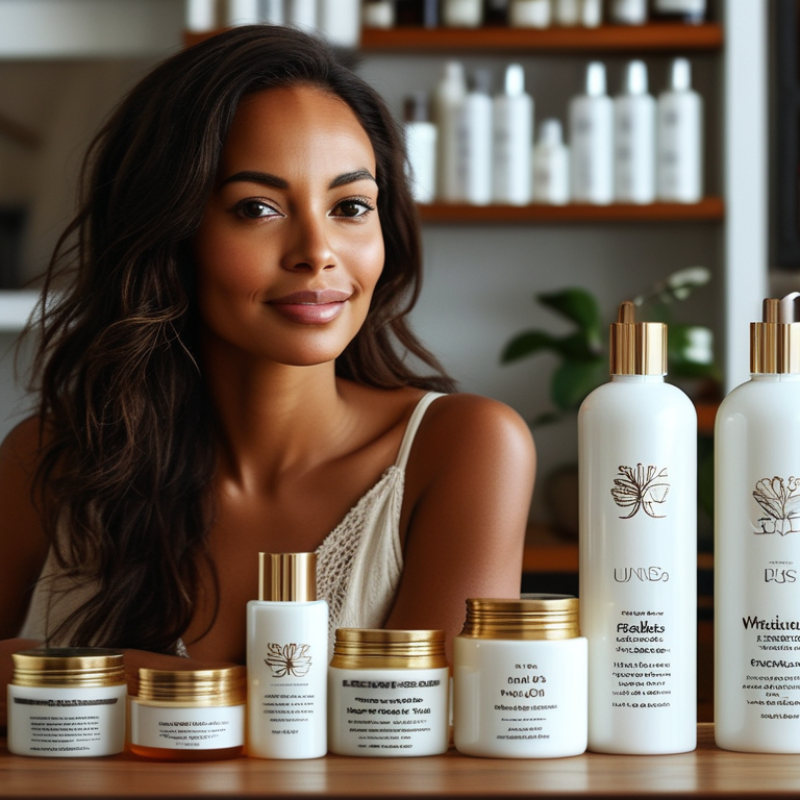
Understanding Private Label Skincare in the USA is essential for anyone looking to enter the market. The private label skincare industry is projected to grow significantly. According to industry reports, the global private label cosmetics market size was valued at approximately 20 billion USD in 2023. This expansion reflects the rising consumer preference for personalized skincare products.
Private label allows brands to create unique products without the need for extensive manufacturing. This approach can lower initial costs. However, it’s crucial to choose reputable manufacturers. Quality control and safety must remain a top priority. According to the Personal Care Products Council, over 70% of consumers prefer buying products from brands that clearly communicate ingredients and benefits. This statistic highlights the need for transparency in private label formulations.
Starting a private label skincare brand involves various challenges. Entrepreneurs must navigate supplier partnerships and marketing strategies. Not all suppliers guarantee high standards. Branding must also resonate with target audiences. Research indicates that nearly 60% of new skincare brands fail within the first year. It's important to continuously assess product performance and market reception to avoid joining that statistic.
Benefits of Starting a Private Label Skincare Brand
Starting a private label skincare brand comes with numerous benefits. One major advantage is the ability to customize your products according to your vision. You can select formulations that align with current trends, creating unique offerings that appeal to a specific target audience. This personalization sets your brand apart in a crowded market.
Another benefit is lower startup costs. You don’t need to invest heavily in research and development. Instead, you partner with manufacturers who create established, effective formulas. This collaboration allows you to focus on branding and marketing strategies while relying on expert knowledge from your manufacturing partners.
Building a private label brand also offers flexibility in terms of product range. You can experiment with various skincare lines, from anti-aging creams to organic cleansers, adapting to customer feedback and preferences more easily. While the freedom to pivot can be exciting, it also requires a reflective approach. Understanding your brand's identity and values is crucial for long-term success in this competitive landscape.
Benefits of Starting a Private Label Skincare Brand
Steps to Choose the Right Manufacturer for Your Products
Choosing the right manufacturer for your skincare private label products is crucial. The right partnership can enhance your brand’s credibility and product quality. Begin by researching manufacturers that specialize in private labeling. Look for those with a proven track record in skincare. Pay attention to customer reviews and testimonials. This practice helps gauge their reliability.
Visit manufacturing sites if possible. Seeing production processes firsthand offers insight into quality control measures. Ask about their ingredients. High-quality components are essential for effective skincare. Verify whether they comply with relevant regulations. It's a significant factor in ensuring product safety.
Consider starting with smaller orders to test the waters. This approach allows you to assess the manufacturer's performance without large financial risks. Foster an open line of communication with potential manufacturers. Clear communication can help mitigate misunderstandings down the road. Remember, not every manufacturer will align perfectly with your vision. Reflecting on compatibility can guide better choices.
Creating a Unique Brand Identity in Skincare
Creating a unique brand identity in skincare requires deep understanding. Start by defining your target audience. This helps shape your messaging and product line. Take time to research their needs and preferences.
Next, think about your brand values. What do you stand for? Sustainability, cruelty-free practices, or natural ingredients? Make sure your values resonate with your audience. Craft a compelling story behind your brand. Authentic narratives connect emotionally.
Designing visually appealing packaging is crucial. The aesthetics should reflect your brand identity. Colors, fonts, and imagery all matter. Test different concepts with a focus group to gather feedback. Remember, it’s okay to revisit and refine your vision. A strong brand evolves through insights and challenges.
Marketing Strategies for Your Private Label Skincare Line
Marketing a private label skincare line requires strategic planning and execution. According to a report by Grand View Research, the global organic skincare market is expected to reach USD 25.1 billion by 2025. This growth indicates a booming interest in personalized skincare solutions. Brand owners can tap into this trend by differentiating their products with unique ingredients or claims.
Engaging with your target audience on social media is essential. A survey from Statista highlights that over 70% of beauty consumers discover new brands through social channels. Leveraging platforms like Instagram and TikTok can significantly boost your brand’s visibility. Regularly posting high-quality images and tutorials can foster a loyal community.
Knowing your target demographic is critical. Research your audience's preferences and pain points. Gathering and analyzing data can help shape tailored marketing messages. Remember, the most successful brands listen and adapt to customer feedback. Avoid assumptions about what consumers want; instead, engage them directly.
Investing in SEO optimization is also vital. High-quality content that addresses skincare concerns can drive organic traffic. Regularly updating your blog with informative articles will enhance your authority in the field. Consider collaborating with skincare experts for guest posts. This adds credibility to your brand.
What is Skincare Private Label USA and How to Start Your Brand? - Marketing Strategies for Your Private Label Skincare Line
| Aspect |
Description |
Examples/System |
| Definition |
Skincare private label products are goods manufactured by one company for another company to brand and sell. |
Private label creams, serums, and lotions. |
| Benefits |
Lower startup costs, control over branding, and the ability to offer unique products. |
Custom formulations tailored to target demographics. |
| Market Trends |
The demand for clean and sustainable beauty products is on the rise. |
Vegan, cruelty-free, and organic ingredients. |
| Target Audience |
Health-conscious consumers looking for premium skincare solutions. |
Millennials and Gen Z. |
| Marketing Strategies |
Utilizing social media influencers, SEO, and content marketing to build brand awareness. |
Instagram and TikTok campaigns. |
| Startup Steps |
Research market trends, develop product formulations, and launch branding efforts. |
Hiring a product developer and creating a brand marketing plan. |