What is the Role of Makeup Distributors in the USA?
The makeup industry in the USA is thriving, with projected sales reaching over $90 billion by 2025. Makeup distributors in the USA play a crucial role in this ecosystem. They bridge the gap between manufacturers and retailers. Their functions include logistics, marketing, and inventory management.
However, the effectiveness of these distributors varies. Some excel in understanding consumer trends. They drive brand visibility and promote new products. Others struggle, facing challenges like inventory mismanagement or slow market response. This disparity can affect the entire supply chain significantly.
Market data highlights that around 30% of smaller distributors lack the resources needed to compete effectively. As a result, there is a growing need for better training and support within the industry. This will ultimately enhance competitiveness and drive growth across the sector.
Overview of Makeup Distribution in the USA
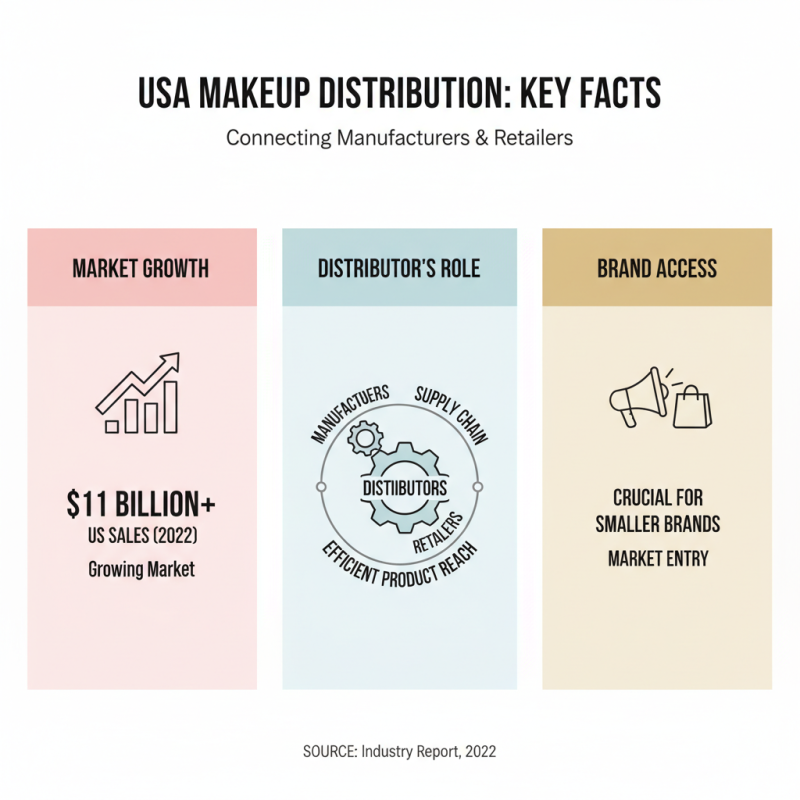
Makeup distribution in the USA is a vital component of the beauty industry. According to a recent report, U.S. makeup sales reached over $11 billion in 2022, indicating a growing market. Distributors play a key role in connecting manufacturers with retailers. They streamline the supply chain, ensuring products reach stores efficiently. Many smaller brands rely on distributors for market access.
Tips: Building strong relationships with distributors can enhance brand visibility. Communication is key to understanding market trends and consumer preferences.
The distribution process can be complex. It involves logistics, inventory management, and marketing strategies. A significant challenge for distributors is keeping up with rapidly changing consumer trends. Sustainability and clean beauty are increasingly influencing buyer behavior. These shifts push distributors to adapt quickly or risk losing market share.
Tips: Stay informed about industry trends. Attend trade shows and engage in networking opportunities with industry peers.
The emergence of e-commerce adds another layer to makeup distribution. Online sales are projected to continue growing, accounting for nearly 25% of the market by 2025. Distributors must integrate online platforms into their business models. However, not all distributors are equally equipped for this digital transition, presenting an ongoing challenge.
Tips: Evaluate your online presence regularly. A strong digital strategy is essential for future growth.
Key Functions of Makeup Distributors
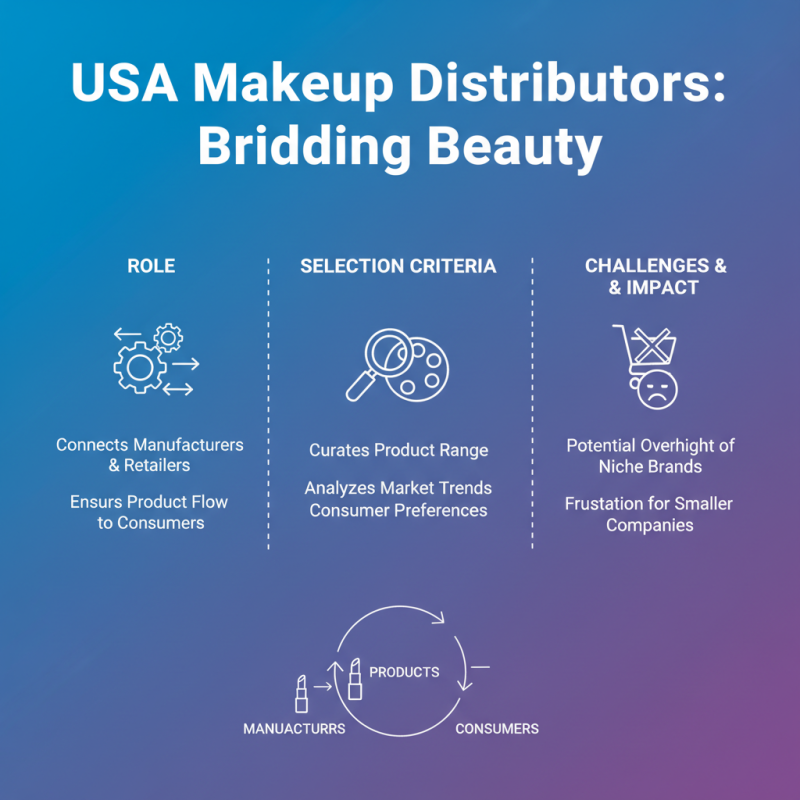
Makeup distributors play a crucial role in the beauty industry in the USA. They serve as a bridge between manufacturers and retailers, ensuring that products reach consumers efficiently. Distributors select a range of items that appeal to different markets. They analyze trends and consumer preferences to curate their collections. Sometimes, their choices might overlook niche brands, which can frustrate smaller companies.
Logistics is another key function of makeup distributors. They manage the storage, shipping, and inventory levels of various products. Distributors must be adept at predicting demand. Miscalculating can lead to overstock or stockouts. Both scenarios can hurt sales and relationships with retailers. Additionally, effective communication is essential. Distributors often coordinate with both suppliers and retail clients to align on strategies.
Training and support for retailers are also vital aspects of their role. Distributors often provide product knowledge sessions or point-of-sale materials. This support helps retailers sell more effectively. However, some distributors may struggle to keep up with the latest beauty trends. This can lead to outdated information reaching the sales floor, impacting customer satisfaction. Balancing support and innovation remains a challenge for many in this field.
Types of Makeup Distributors: Wholesalers vs. Retailers
Makeup distributors play a pivotal role in the beauty industry in the USA. They are primarily categorized into wholesalers and retailers. Wholesalers typically supply a wide range of products to various retail outlets. They operate on bulk orders, allowing smaller businesses to access large quantities of makeup without overspending. According to a recent industry report, over 70% of independent beauty brands rely on wholesalers to expand their reach.
Retailers, on the other hand, serve as the direct link to consumers. They curate products to appeal to target demographics. Many retailers have shifted to e-commerce, reflecting a trend where about 45% of beauty product sales now happen online. This shift presents challenges. Retailers must navigate high competition and evolving consumer preferences. Adapting to trends like sustainability and inclusivity is essential but daunting.
Both wholesalers and retailers face unique hurdles, such as inventory management and the rapid pace of industry changes. In a market projected to reach $89 billion by 2026, staying relevant is critical. The distributors' ability to respond to these trends determines their success. Yet, some distribution strategies may come off as outdated, leading to missed opportunities for growth. The emphasis should be on innovation and understanding new consumer behaviors.
What is the Role of Makeup Distributors in the USA? - Types of Makeup Distributors: Wholesalers vs. Retailers
| Distributor Type |
Function |
Market Reach |
Typical Clientele |
Inventory Size |
| Wholesalers |
Supply products in bulk to retailers |
Local and regional markets |
Small to medium-sized retailers |
Large volume of diverse products |
| Retailers |
Sell directly to end customers |
National and online markets |
General consumers |
Moderate to large selection |
| Distributors |
Bridge between manufacturers and both wholesalers and retailers |
Broad market access |
Wholesalers and retailers |
Extensive inventory across brands |
| E-commerce Distributors |
Sell makeup products online |
Global reach |
Online shoppers |
Large inventory with quick turnover |
Challenges Faced by Makeup Distributors in the Market
Makeup distributors play a crucial role in the beauty industry of the USA. However, they face several challenges that complicate their operations. One major issue is the intense competition. The market is flooded with new brands, making it hard to stand out. Many distributors struggle to build lasting relationships with retailers and clients.
Logistics can also be a headache. Shipping delays and inventory management are common problems. Distributors often find themselves juggling multiple suppliers. This can lead to inconsistencies in product availability. Another challenge is adapting to consumer trends. With social media influencing buying habits, staying ahead is tough. Distributors must be flexible and ready to pivot quickly.
Financial pressures weigh heavily on these businesses. Many are forced to operate on thin profit margins. Price wars often lead to losses. They need to constantly reassess their pricing strategies. There's also the challenge of sourcing ethically produced products. Consumers today demand transparency. Distributors must ensure compliance with regulations, which adds complexity to their operations. Balancing quality and cost is not easy.
The Future of Makeup Distribution in the USA
The future of makeup distribution in the USA is evolving rapidly.
Online shopping continues to rise. Consumers now prefer convenience over traditional retail experiences.
This shift presents challenges for distributors. They must adapt to changing demands promptly. Technology plays a significant role in this transition.
E-commerce platforms offer new avenues for product reach. Distributors need tech-savvy strategies to thrive.
However, not all distributors embrace change seamlessly. Some cling to outdated methods, risking obsolescence.
Innovation can be daunting, yet essential. Distribution networks must also consider sustainability.
Eco-friendly packaging is gaining traction among consumers. Distributors need to reflect on their environmental impact.
Many are still slow to act on these concerns.
The competitive landscape is more crowded than ever. New entrants continuously disrupt traditional models.
This competition requires established distributors to assess their value propositions. Embracing diversity in product offerings is vital.
Collaborations with emerging brands can breathe new life into stagnant portfolios.
Adapting to consumer trends is no longer optional but a necessity for survival in the evolving makeup distribution landscape.