How to Make Cosmetics for Global Markets in 2026?

How to Make Cosmetics for Global Markets in 2026? This question demands more than attractive packaging and trending ingredients. It requires disciplined research, documented testing, and respect for regional expectations. Brands must understand how climate, skin concerns, income levels, and cultural preferences shape product decisions. A lightweight gel may suit humid Singapore, while a richer cream may perform better in dry northern climates.

To make cosmetics responsibly, teams should connect formulation science with regulatory review from the earliest stage. Ingredient safety, product stability, microbiological testing, labeling, claims, and manufacturing records need careful control. Independent laboratories and qualified regulatory professionals can strengthen reliability. Evidence should support every promise, especially claims about sensitive skin, hydration, brightening, or long-lasting wear. “Natural” does not automatically mean safe, effective, or suitable everywhere.

Global development also involves practical details. A sunscreen may need different testing data across markets. A glass bottle can feel premium, yet break during transport or increase shipping emissions. Local consumer panels can reveal problems that laboratory testing misses. Small differences matter.

No launch plan is flawless. A formula may separate after months in warm storage. A translated label may sound accurate but confuse customers. Even experienced teams overlook details. That is why responsible brands review feedback, monitor complaints, and improve products after launch. This guide explores the research, formulation, compliance, packaging, and supply-chain choices that help cosmetics earn trust across borders in 2026.
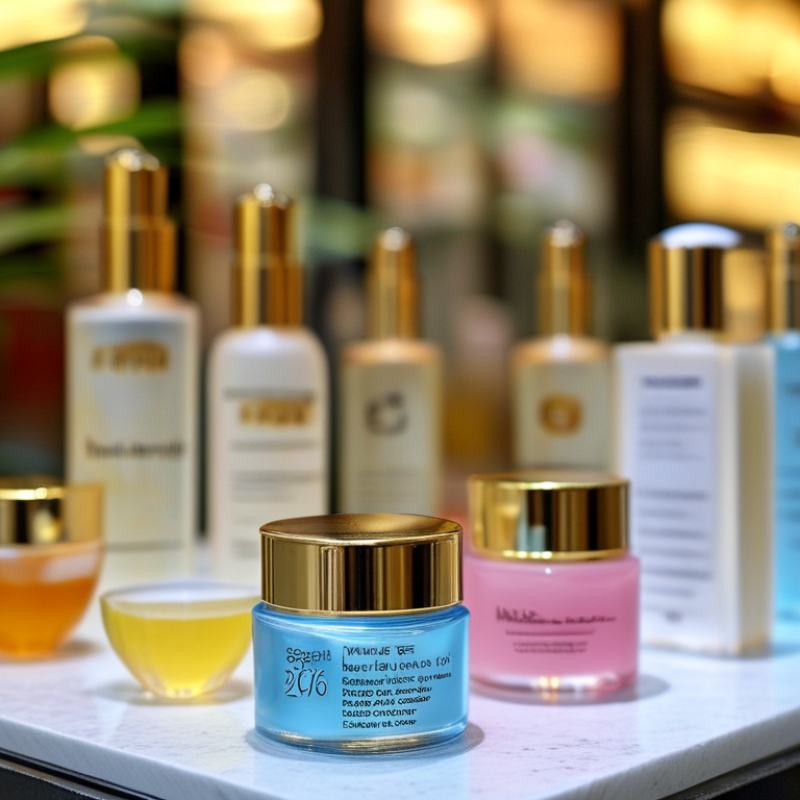
How to Make Cosmetics for Global Markets in 2026?

Define Global Market Requirements and Target Consumer Profiles

Making cosmetics for global markets in 2026 starts with defining market requirements, not choosing a formula. Each region has different rules for ingredients, claims, labeling, allergens, and product notifications. Build a requirements matrix before development begins. It should record restricted substances, language needs, responsible-person duties, testing expectations, and packaging limits. Local regulatory specialists and qualified safety assessors should review the matrix. This step protects consumers and prevents expensive redesigns.

A global audience is not one consumer. Create profiles using age, skin concerns, climate, routines, spending habits, and cultural preferences. A humid city may need a lightweight gel, while a dry winter market may prefer a richer cream. Interview users in their own language when possible. Observe how they open, apply, store, and understand the product. Small details matter. A pump may be easier for some users, but difficult for people with limited hand strength.

Pilot batches should be tested under local heat, cold, transport vibration, and bathroom humidity. Measure stability, usability, sensory response, and whether consumers understand the claims. In one early project, our assumed preference for a strong fragrance proved wrong after regional interviews. That mistake changed the brief. Still, profiles can become stereotypes if teams rely only on surveys. Combine research with expert review, sales data, and direct observation. Document every decision, including unresolved questions. Good planning leaves room to revise.

Formulate Products for Regional Safety and Performance Standards

How to Make Cosmetics for Global Markets in 2026?

Global beauty demand is expanding, but regional compliance remains uneven. Grand View Research valued the global cosmetics market at approximately $446.2 billion in 2023, with continued growth expected through 2030. That scale creates pressure to launch quickly. Speed can hide weak testing.

A stable formula needs local evidence. In Europe, the Cosmetics Regulation requires a safety assessment, product information file, and responsible-person oversight. The United States now applies stronger facility registration, safety substantiation, and adverse-event duties under the Modernization of Cosmetics Regulation Act. These requirements are not interchangeable. A formula passing one review may still need new documentation elsewhere.

Performance also changes by climate and consumer use. In humid Southeast Asian conditions, test emulsions at elevated temperature and humidity, then monitor viscosity, odor, separation, and microbial control. In dry climates, measure barrier support and water loss after repeated use. For sun-care products, regional SPF, UVA, and labeling expectations must guide testing from the beginning.

Use ISO 22716 as a manufacturing baseline, not a substitute for regional review. Recent Mintel beauty research shows that consumers increasingly seek efficacy evidence and clearer ingredient communication. Claims should match tested results, not marketing ambition. Keep raw-material specifications, stability records, challenge tests, and batch observations traceable.

Some assumptions will fail. Fragrance tolerance, skin tone coverage, and preferred textures vary sharply. Local panels can expose those gaps early. A modest pilot may reveal more than a polished global launch.

How to Make Cosmetics for Global Markets in 2026? – Formulate Products for Regional Safety and Performance Standards

Market / Region Primary Regulatory Framework Pre-Market Requirement Safety and Technical File Expectations Formulation and Testing Priorities Performance or Claims Considerations
European Union / EEA Regulation (EC) No. 1223/2009 on cosmetic products Product notification through the Cosmetic Products Notification Portal before placing the product on the market EU-based Responsible Person, Product Information File, Cosmetic Product Safety Report, manufacturing records, and claims substantiation Ingredient restrictions, preservative efficacy, stability, packaging compatibility, microbiological quality, and fragrance allergen review Claims must comply with the common criteria in Regulation (EU) No. 655/2013 and must be supported by adequate evidence
United Kingdom UK Cosmetics Regulation, based on the retained EU cosmetics framework Notification to the UK Office for Product Safety and Standards before the product is supplied in Great Britain; separate arrangements apply in Northern Ireland UK Responsible Person, Product Information File, safety assessment, compliant labeling, and documented manufacturing controls Check UK-specific ingredient schedules, labeling rules, safety limits, stability, and preservation systems Avoid medicinal wording unless the product is regulated under a different category; maintain evidence for efficacy and consumer-facing claims
United States Federal Food, Drug, and Cosmetic Act; Fair Packaging and Labeling Act; Modernization of Cosmetics Regulation Act of 2022 Facility registration and product listing requirements may apply under MoCRA; cosmetics generally do not require FDA pre-market approval, except for color additives and products classified as drugs Safety substantiation, adverse-event procedures, records, compliant labeling, and facility registration or product listing where applicable Color additive compliance, contamination control, preservative performance, irritation assessment, and clear separation between cosmetic and drug claims Claims such as treating disease, affecting body structure, or providing sun protection can create drug-regulatory obligations
China Mainland Cosmetics Supervision and Administration Regulation and related implementing measures Special cosmetics generally require registration; ordinary cosmetics generally require filing before marketing, with requirements depending on product category and route Safety assessment, formula and ingredient documentation, responsible-person information, labeling, and testing or evaluation materials required by the applicable pathway Confirm permitted ingredients, new-ingredient status, microbial limits, stability, packaging safety, and requirements for imported products Functional claims require appropriate evidence and claim evaluation; product classification must be confirmed before formulation and marketing
Japan Pharmaceuticals and Medical Devices Act Ordinary cosmetics generally follow notification and marketing-authorization-holder requirements; quasi-drugs require a different approval pathway Japanese labeling, ingredient standards, quality and safety records, and documentation supporting the selected product category Check positive or restricted ingredient standards, fragrance and colorant requirements, preservation, stability, and package compatibility Whitening, wrinkle-improvement, or other specified efficacy claims may place a product in the quasi-drug category rather than ordinary cosmetics
ASEAN Member States ASEAN Cosmetic Directive, implemented through national authorities Cosmetic notification is generally required in each target member state before marketing; national procedures can differ Product Information File, safety information, ingredient compliance, labeling, claims evidence, and a locally recognized responsible entity where required High-temperature and high-humidity stability, microbial control, sunscreen-filter rules, colorants, preservatives, and regional packaging durability Claims must remain cosmetic in nature and be supported by suitable evidence under the relevant national implementation
Gulf Cooperation Council GCC Standard GSO 1943 for cosmetic and personal-care product safety requirements, together with national systems Registration, conformity, or notification requirements may apply through the relevant national authority or platform Ingredient and safety documentation, Arabic or bilingual labeling where required, batch information, and supporting product records Heat exposure, transport stability, oxidation control, packaging integrity, sunscreen performance, and compliance with restricted substances Avoid therapeutic claims unless the product is authorized under a medicinal or other applicable category; validate claims for local climate conditions
Australia Australian Industrial Chemicals Introduction Scheme and the Therapeutic Goods Act, depending on product claims and composition Cosmetic ingredients may require industrial-chemical introduction obligations; therapeutic products require the applicable therapeutic-goods pathway Ingredient records, safety substantiation, compliant labeling, import documentation, and evidence supporting product classification UV exposure, heat stability, oxidation, microbiological quality, colorant compliance, and ingredient classification Sunscreen, anti-dandruff, acne, and therapeutic-style claims may move a product from cosmetic regulation to therapeutic-goods regulation

Formulation planning note: Regulatory status depends on the final formula, intended use, presentation, claims, dosage form, and local interpretation. Confirm current requirements with the competent authority or a qualified regulatory professional before commercialization.

Select Compliant Ingredients, Packaging, and Manufacturing Processes

Making cosmetics for global markets in 2026 requires more than attractive formulas. Compliance begins with ingredient selection. Check each ingredient against the target market’s current restrictions, concentration limits, and labeling rules. Use recognized INCI names, document supplier specifications, and verify allergen information. A safety assessor should review toxicology, exposure, impurities, and intended use before production.

Packaging also needs technical evidence. Test the container against the formula’s oils, acids, alcohols, and preservatives. A cream may soften a closure, stain a surface, or lose fragrance through plastic. Airless pumps can reduce contamination, but they still require compatibility and dosing tests. Labels should show ingredients, net quantity, warnings, batch details, and responsible-party information where required. Claims must match available evidence. “Dermatologically tested” is not a universal guarantee.

Tips: Build a country-by-country compliance file. Keep signed specifications, stability results, artwork approvals, and change records. Use manufacturing procedures aligned with cosmetic GMP, including controlled weighing, sanitation, calibrated equipment, and batch traceability. Audit critical suppliers rather than trusting certificates alone. Stability testing should cover heat, light, freezing, transport vibration, and repeated opening. Small defects matter. A slightly loose cap can become a costly recall. One weakness remains common: teams sometimes finalize packaging before testing the finished formula. That decision saves time briefly, but creates avoidable reformulation and waste.

Core Cosmetics Compliance Deliverables by Market in 2026

This planning chart counts five core compliance areas: pre-market notification or registration, a responsible person or local entity, safety assessment or substantiation, product information and records, and manufacturing or GMP documentation. The values are checklist counts, not legal-risk scores.

Reference frameworks: EU Cosmetics Regulation (EC) No 1223/2009, UK Cosmetics Regulation and SCPN, U.S. MoCRA, China NMPA cosmetics regulations, and the ASEAN Cosmetic Directive. Requirements vary by product category, claims, ingredients, and market.

Build Testing, Labeling, and Certification Plans for Each Market

How to Make Cosmetics for Global Markets in 2026?

Global beauty sales are expanding, but market entry is not one universal process. McKinsey’s 2023 beauty report projected the core market could reach about $580 billion by 2027. Each destination still needs its own testing, labeling, and certification plan. Start with a regulatory matrix. Record ingredient limits, safety files, claims evidence, language rules, and responsible-person duties for every country.

Test the finished formula, not only individual ingredients. Stability checks should cover heat, light, freezing, packaging contact, and microbial protection. Keep batch records and retain samples. Under the European Union Cosmetics Regulation, companies need a Product Information File, a Cosmetic Product Safety Report, and notification before sale. In the United States, the Modernization of Cosmetics Regulation Act requires facility registration, product listing, safety substantiation, and serious adverse-event reporting. Rules change.

Labels deserve physical review. Place an actual package under store lighting. Check font size, net quantity, allergens, directions, warnings, and translations. A translated claim may sound attractive but create a legal problem. Claims should match clinical or instrumental evidence. ISO 22716 can support good manufacturing practice, while market-specific certificates may support natural or organic positioning. Certification is not a substitute for compliance.

The weak point is often coordination. A formula team may approve a fragrance before regulatory review. A designer may shorten mandatory text. Build approval gates, assign owners, and audit suppliers. Mintel’s 2024 consumer research shows that ingredient transparency strongly influences beauty purchasing, yet transparency without reliable testing can mislead. Some plans will need revision. Leave time for that.

Establish Global Launch, Supply Chain, and Post-Market Monitoring Systems

How to Make Cosmetics for Global Markets in 2026?

A global cosmetics launch needs more than a formula and attractive packaging. Build a country-by-country readiness file before production begins. It should cover ingredient checks, product claims, label translations, safety evidence, and required notifications. Local regulatory professionals can review uncertain wording and regional expectations. Keep signed approvals and revision histories in one controlled system. Teams change.

Supply chain control starts with approved suppliers and clear specifications. Test incoming materials, record lot numbers, and separate released stock from quarantined stock. Use temperature and humidity logs during storage and transport when product stability requires them. A practical launch dashboard should show production status, shipment location, missing documents, and delivery risks. Run a mock recall. It may expose slow communication or incomplete batch records before customers are affected. A plan may still fail during a port delay. That weakness deserves a backup route, not optimistic assumptions.

Post-market monitoring should begin on the first sale day. Create accessible channels for complaints, irritation reports, damaged packaging, and suspected quality issues. Train support staff to capture dates, batch codes, photos, usage details, and outcomes consistently. Review signals weekly, then investigate unusual patterns with quality and safety specialists. Escalate serious concerns through documented procedures and preserve the original evidence. Do not hide inconvenient data. An honest system includes consumer feedback, supplier findings, corrective actions, and lessons from failed assumptions.

Social media & sharing icons powered by UltimatelySocial
Facebook
LinkedIn
Instagram
Tiktok