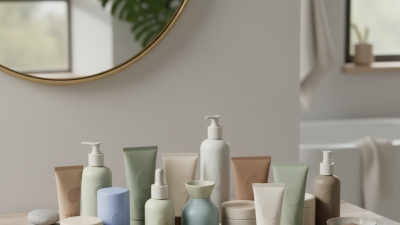
In recent years, the beauty industry has seen a significant surge in popularity. Statista reports that the global cosmetics market is projected to reach over $800 billion by 2025. Many are asking why make makeup a part of your daily routine. It's not just about looking good; it also impacts how we feel. According to a study by the American Psychological Association, wearing makeup can boost self-esteem and confidence.
Makeup can be a powerful tool. It allows individuals to express themselves creatively and enhance their features. However, not everyone feels comfortable making makeup a daily habit. Some worry about the time it takes or the potential skin issues it might cause. It's essential to find a balance that suits personal lifestyle and preferences.
While some thrive on the routine, others may find it burdensome. Reflecting on the response to makeup is important. Is it about self-expression or societal pressure? A thoughtful approach could lead to a more enjoyable experience. Whether adopting a full glam look or a natural touch, finding your unique style can be fulfilling.
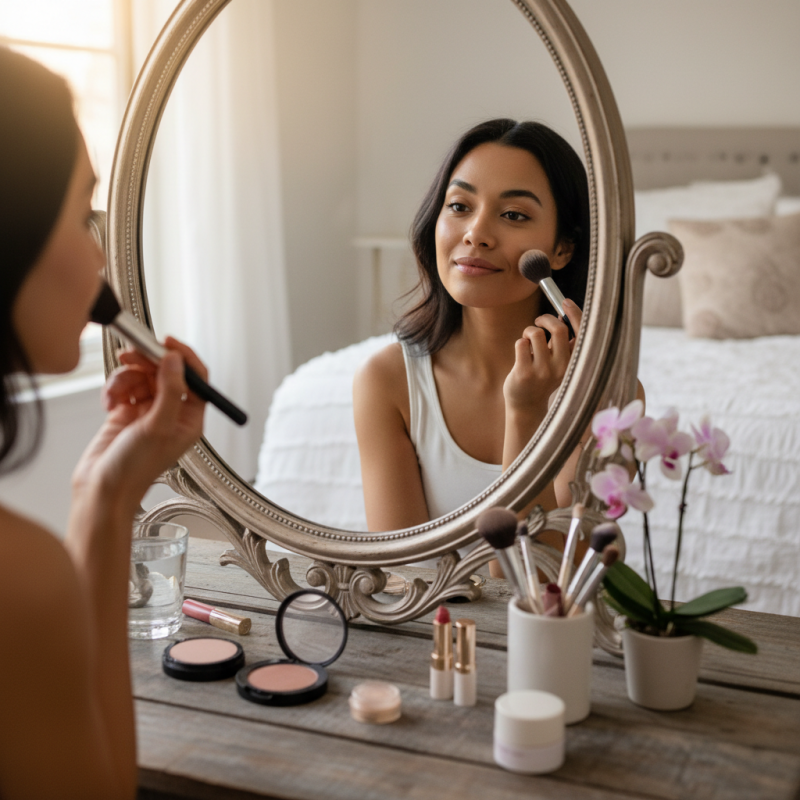
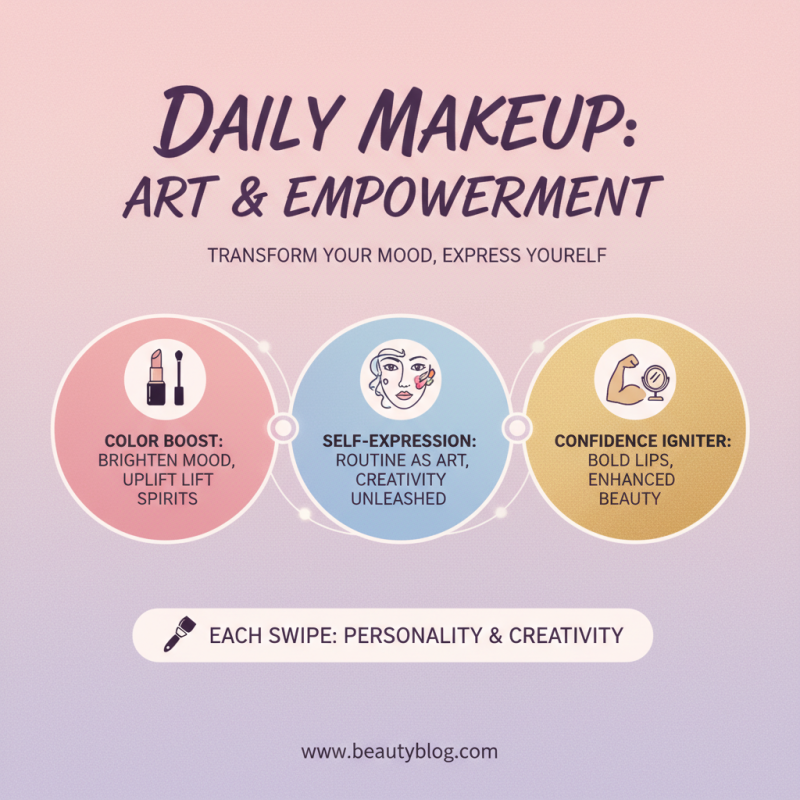
Daily makeup can transform the way we feel about ourselves. Applying a little color can brighten our mood and uplift our spirits. For many, it is not just a routine; it is a form of art and self-expression. A bold lipstick can ignite confidence, while a subtle eye shadow can enhance natural beauty. Each swipe of the brush is an opportunity to express personality and creativity.
However, not every makeup application is perfect. Some days, the eyeliner may be uneven, or the foundation might appear patchy. It’s important to recognize that imperfections are part of the journey. Embracing these flaws allows for growth and self-acceptance. Makeup should not be a mask but rather a tool for showcasing individuality. It can be a reflection of our mood or a way to step outside our comfort zone.
Integrating makeup into daily life allows for a unique narrative. It empowers many to explore their identities. The process of getting ready becomes an act of self-love. Even on days when things go wrong, the act of applying makeup can still provide a sense of achievement. Each experience teaches us about our preferences and choices. Ultimately, it becomes more than just makeup; it evolves into a personal statement.
Makeup can significantly boost your professional appearance and enhance communication. When you look polished, it reflects confidence. Colleagues and clients often respond more positively to someone who appears well-groomed. A touch of color on your lips or cheeks can brighten your face, making you seem approachable and dynamic.
Tips: Choose shades that complement your skin tone. A subtle foundation can help even out skin texture. Don't forget to groom your eyebrows; they frame your face.
Makeup is not just about looking good; it’s about feeling good too. However, it can feel overwhelming at times. Many struggle to find a balance between natural looks and a professional appearance. Experimenting with different products could lead to those perfect combinations. Remember, it’s okay to have off days. Your unique expression matters more than perfection.
Tips: Keep a minimal makeup kit for ease. Practice makes improvement, so try new looks at home. Observe what works for you and adapt accordingly.
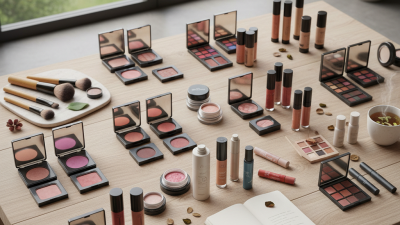
Incorporating makeup into your daily routine can feel daunting. Start small. Use a tinted moisturizer to even out your skin tone. It feels light and gives a fresh look. A dab of blush can add life to your cheeks. Just make sure to blend it well. Avoid heavy layers; less is often more.
Experiment with a subtle eye shadow. A neutral shade can make your eyes pop. If you're unsure, go for a single wash of color. Mascara can help define your lashes. But be careful; clumpy mascara can ruin the look. Remember, practice makes perfect.
Don't forget about your lips. A simple lip balm can moisturize and add a hint of color. It's quick and easy. Mistakes will happen. Eyeliner may not always be even. That's okay. Embrace the learning process. Makeup should be fun, not stressful.
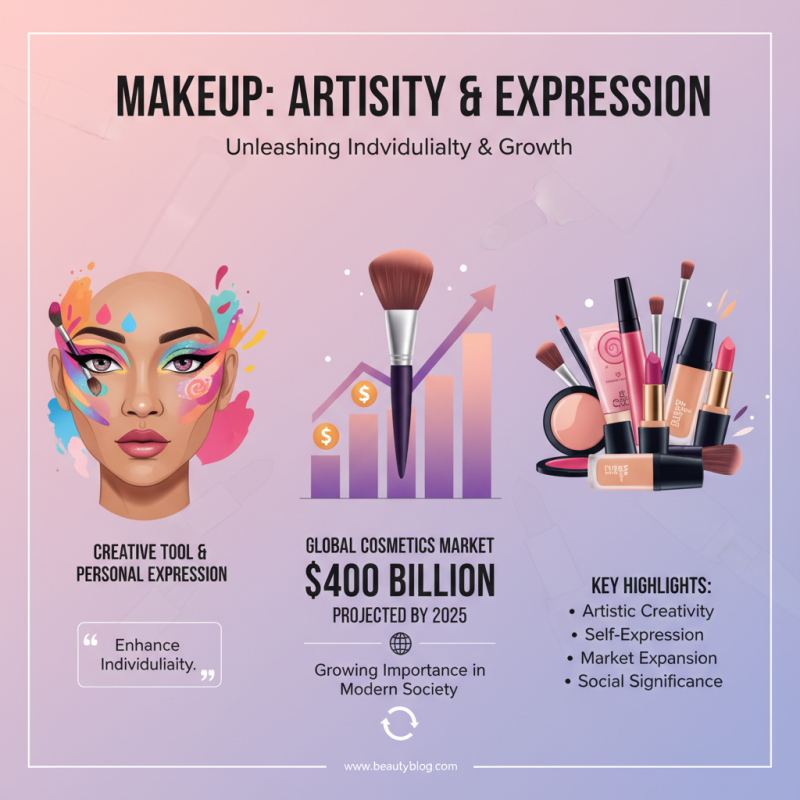
Makeup serves as a powerful tool for artistic creativity and personal expression. Many individuals use makeup to enhance their individuality. A report by Statista shows that the global cosmetics market is projected to reach over $400 billion by 2025. This highlights the growing importance of makeup in modern society.
For many, makeup represents more than just aesthetics. It allows individuals to explore different facets of their personality. According to a survey by the American Academy of Dermatology, over 60% of makeup users feel more confident when they wear it. This confidence can translate into creativity, inspiring unique looks that reflect personal style.
However, despite its benefits, the world of makeup can be overwhelming. The pressure to achieve a flawless appearance can lead to unrealistic expectations. Many people struggle with the idea of "perfect" makeup looks, which can affect self-esteem. This reflects a need for deeper conversations about beauty standards and acceptance. Embracing imperfections can be just as powerful as mastering techniques.
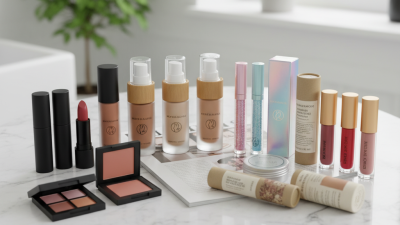
Understanding your skin type is crucial for selecting the right makeup products. According to the American Academy of Dermatology, about 50% of people experience sensitive skin at some point in their lives. This sensitivity urges individuals to choose products wisely. For oily skin, lightweight formulas are beneficial. Meanwhile, dry skin types should seek hydrating products that provide moisture throughout the day.
Different skin types require tailored routines. For instance, combination skin might necessitate products that balance oiliness and dryness. A moisturizer with hyaluronic acid is often recommended for this. Conversely, those with acne-prone skin should avoid heavy creams. Non-comedogenic options can help prevent breakouts, aligning with findings from a study published in the Journal of Dermatology, which suggests that proper product choice significantly reduces skin issues.
Making makeup a daily habit also exposes skin to various substances. The Environmental Working Group reports that many common makeup products may contain harmful chemicals. Users must read labels and research ingredients. It’s essential to reflect on what each product does to your skin. Balancing the desire for beauty with skin health is not always straightforward.
| Skin Type | Recommended Products | Ingredient Highlights | Application Tips |
|---|---|---|---|
| Oily | Oil-free foundation, Mattifying primer | Salicylic acid, Clay | Use a light hand with powders; apply in layers. |
| Dry | Hydrating foundation, Cream blush | Hyaluronic acid, Glycerin | Moisturize before application; use damp tools. |
| Combination | Balance foundation, Tinted moisturizer | Niacinamide, Dimethicone | Focus on drier areas; blend well. |
| Sensitive | Hypoallergenic products, Mineral makeup | Zinc oxide, Titanium dioxide | Patch test new products; avoid fragrances. |
| Normal | Lightweight foundation, BB cream | Vitamins C and E, Natural oils | Apply evenly; enjoy versatility in looks. |