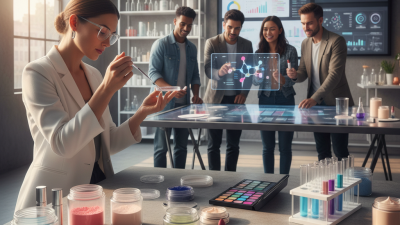
Starting a makeup line in 2026 means building more than a collection of attractive shades. It means solving a specific customer problem, then proving your products can solve it consistently. McKinsey’s 2023 State of Beauty report projected roughly 6% annual growth for the global beauty market through 2027. That is a useful signal, not a promise of success. Competition is intense, and a polished launch cannot compensate for unclear positioning or unreliable product quality.
Begin with a narrow customer and a real routine. Perhaps your customer needs a skin-like foundation that works through a long commute, or a lipstick that feels comfortable after coffee. These details can guide your formula, packaging, price, and product descriptions. As makeup artist and entrepreneur Bobbi Brown has said, “I believe all women are pretty without makeup—and can be pretty powerful with the right makeup.” Her perspective points toward confidence and usability, not simply adding more products to a crowded shelf.
Before you start a makeup line, test demand and production assumptions. Speak with prospective buyers. Compare ingredient, packaging, sampling, and manufacturing costs. Ask qualified cosmetic professionals to review product safety and performance, and keep clear records of testing and supplier claims. The U.S. Food and Drug Administration’s cosmetics guidance is an important reference for understanding product responsibilities; requirements vary by market, so verify them where you plan to sell. Start small. Learn quickly. Your first plan will probably be wrong in places. That is not a reason to guess; it is a reason to test, document, and revise before investing in a larger launch.
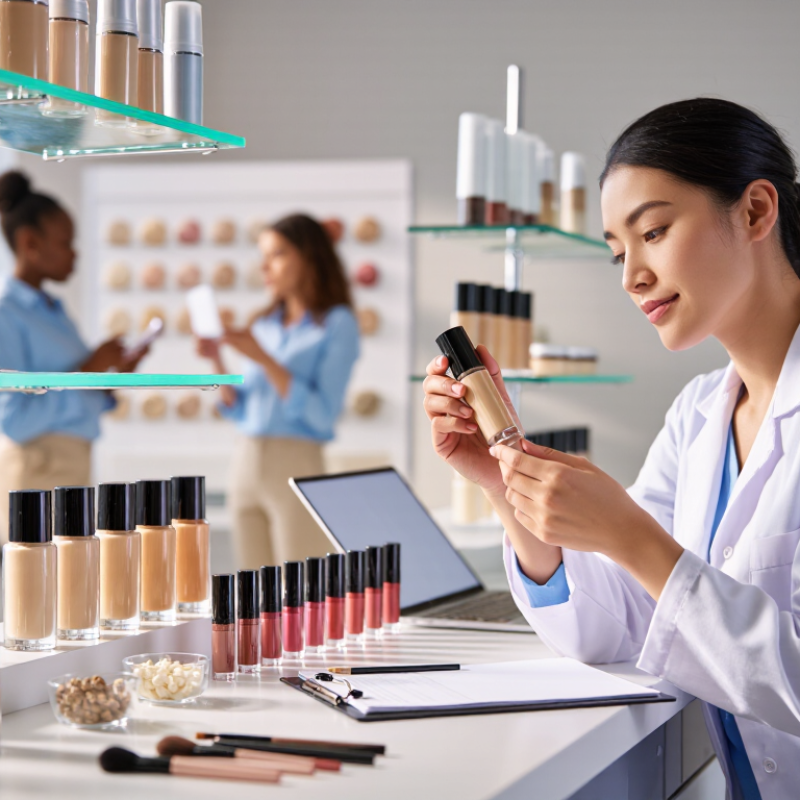
A makeup line needs a point of view before it needs a product range. Define who you serve, what they struggle to find, and where your products fit in their daily routine. McKinsey’s 2023 beauty-market analysis estimated the global beauty market could reach $580 billion by 2027, with annual growth of about 6%. That scale signals opportunity, but it does not guarantee room for another broad, undifferentiated collection. A clearer opening might be complexion products for people with limited time, or shades designed around a specific range of undertones. Be precise. “For everyone” is tempting, but difficult to turn into useful product decisions.
Study customers in real settings: ask what they carry, which textures crease by midday, and what they cannot find in local stores. Then compare those answers with retail prices, reviews, and competitor shade ranges. Circana reported that U.S. prestige beauty sales rose 7% in 2023; its findings show a sizeable market, not proof that any single niche will succeed. Test your assumptions with small interviews or sample trials before committing to a full launch. Some feedback will conflict. That is normal. Your positioning should explain the trade-off: perhaps fewer products, but better shade guidance; or lower prices, with simpler packaging. I would not treat an early survey as certainty. People sometimes praise an idea and still never buy it.
Before developing a makeup line, study what customers are buying and why. McKinsey’s 2023 report, The Beauty Market in 2023, projected roughly 6% annual growth for the global beauty market through 2027. Growth is not a product plan, though. Review search trends, product reviews, and retailer shelves for specific needs: shade range, wear time, sensitive-skin concerns, or packaging that travels well. Look for repeated complaints, not just viral launches. Trends fade.
Compare competitors by category and price, then test their products yourself. Note how a concealer spreads under the eyes, whether a lipstick feels dry after lunch, and how clearly ingredient and shade information is presented. Circana reported that U.S. prestige beauty sales grew 7% in 2023, while mass beauty sales rose 5%. The figures point to activity across price tiers, not guaranteed demand for a new entrant. Ask potential customers which products they repurchase, what they avoid, and what they would pay for a measurable improvement. Small interviews help. They can also mislead if the sample is too narrow. Record who you spoke with, what they actually use, and where your assumptions remain untested.
A makeup line needs a business plan before it needs beautiful packaging. Define a specific customer, such as someone seeking lightweight complexion products for dry skin, and test that need through interviews and small surveys. McKinsey estimated that the global beauty market could reach about $580 billion by 2027, with annual growth of roughly 6 percent. That forecast signals opportunity, not guaranteed sales. Set measurable goals, map competitors, and describe how customers will discover and buy your products. Keep the plan practical. “Everyone who wears makeup” is not a useful target market.
Build a budget around real supplier quotes. Include formulation, safety testing, packaging, minimum order quantities, shipping, insurance, marketing, and several months of operating costs. Track cash flow by month; a low unit cost can still hide expensive inventory commitments. I would also reserve money for revisions, because the first shade range or package may miss the mark. It happens. For brand identity, choose a clear promise, a small color palette, readable labels, and a consistent voice. Test mockups with potential customers before placing a large order.
Tips: Ask manufacturers for written quotes and lead times. Compare at least two options. Keep a contingency fund, and record every assumption in your budget. For industry context, McKinsey’s beauty-market forecast offers a useful top-level view, but your own customer research should guide product decisions. A polished logo cannot fix unclear positioning.
How to Start a Makeup Line in 2026
Product development should begin with a specific customer and a testable brief, not a large catalogue.
Define the finish, shade range, wear time, packaging, and target price before requesting samples. McKinsey’s 2023 beauty industry analysis estimated the global beauty market could reach $580 billion by 2027, with beauty growing about 6% annually. That opportunity does not guarantee demand for a new product. Test prototypes with people whose skin tones and routines match your intended audience. Check pigment consistency, scent, texture, and how the formula performs after several hours. Small details matter. A cap that leaks can undo a good first impression.
Choose suppliers based on documented quality systems, ingredient traceability, and realistic production timelines—not just the lowest quote. Ask for ingredient specifications, safety data, stability testing, and batch records. Request samples from more than one production run; one perfect jar proves little. I would also budget for packaging compatibility tests, since formulas can change when they meet a container. This step can feel slow. It is cheaper than discovering a separation problem after launch.
Build compliance into development.
In the United States, the FDA’s Modernization of Cosmetics Regulation Act requires facility registration and product listing, among other provisions; firms also need adequate safety substantiation and processes for serious adverse-event reporting. Requirements differ by market, so confirm current rules with the relevant regulator or a qualified compliance professional before selling. Keep claims precise and supported by evidence. A phrase that sounds harmless on a label may create extra obligations. My own caution: regulatory planning is easy to postpone, and that is exactly why it belongs in the product timeline.
A makeup line needs more than attractive shades and polished packaging. Before launch, define the customer you can serve well: perhaps people seeking sheer coverage for dry skin, or compact products for quick morning routines. Talk with potential buyers and record what they already use, what irritates them, and what they would pay. A small survey is useful, but it is not proof of demand. I once thought a popular shade would sell itself. That assumption needs testing.
Build a launch plan around a focused product range, realistic costs, and clear milestones. Request samples, test texture and wear across different skin tones, and track feedback in a simple spreadsheet. Include packaging, shipping, photography, and returns in your budget. Costs add up quickly. Set aside time for delays; a packaging change can shift your launch date by weeks. Make product claims carefully, and check applicable requirements with qualified professionals before selling.
Choose sales channels that match your capacity. A direct online shop gives you control over product details and customer questions, while local pop-ups let you observe reactions in person. Retail partnerships may expand reach, but margins and inventory demands deserve close review. Start with a channel you can support consistently. Watch conversion rates, repeat purchases, return reasons, and customer messages each month. If buyers keep asking for a clearer shade guide, improve the guide before adding more shades. Growth should follow evidence, not just excitement.