Sourcing cosmetics in the United States in 2026 requires more than comparing prices online. Buyers must evaluate product safety, supplier reliability, documentation, and production capacity. The phrase “make up usa” may attract search traffic, but trustworthy sourcing depends on evidence, not keywords alone. A strong supplier should provide clear company details, current product specifications, and responsive communication.
Begin by defining your product brief. Include the shade range, finish, packaging size, target customer, and expected order volume. Request samples before discussing a large purchase. Check the texture, scent, color consistency, label accuracy, and packaging durability. A lipstick should survive a warm delivery truck. A powder should not arrive cracked. Small details reveal manufacturing discipline.
Ask manufacturers for ingredient lists, batch information, safety testing, and quality certificates. Confirm that labeling and facility responsibilities align with current U.S. cosmetic requirements, including applicable MoCRA obligations. Independent laboratory testing may be necessary for stability, microbiological quality, or claims support. Do not accept vague promises. Keep written records of every approval, revision, and shipment.
Experienced buyers often compare three to five suppliers rather than choosing the cheapest offer. Visit facilities when possible, or request a live video audit. Review minimum order quantities, lead times, payment terms, defect policies, and product liability coverage. Some suppliers look professional but cannot scale consistently. That is worth questioning.
Reliable sourcing also requires honest self-reflection. Your first formula may need reformulation. Your packaging choice may exceed the budget. Careful testing, expert review, and transparent supplier relationships create a safer path for launching makeup in the USA.
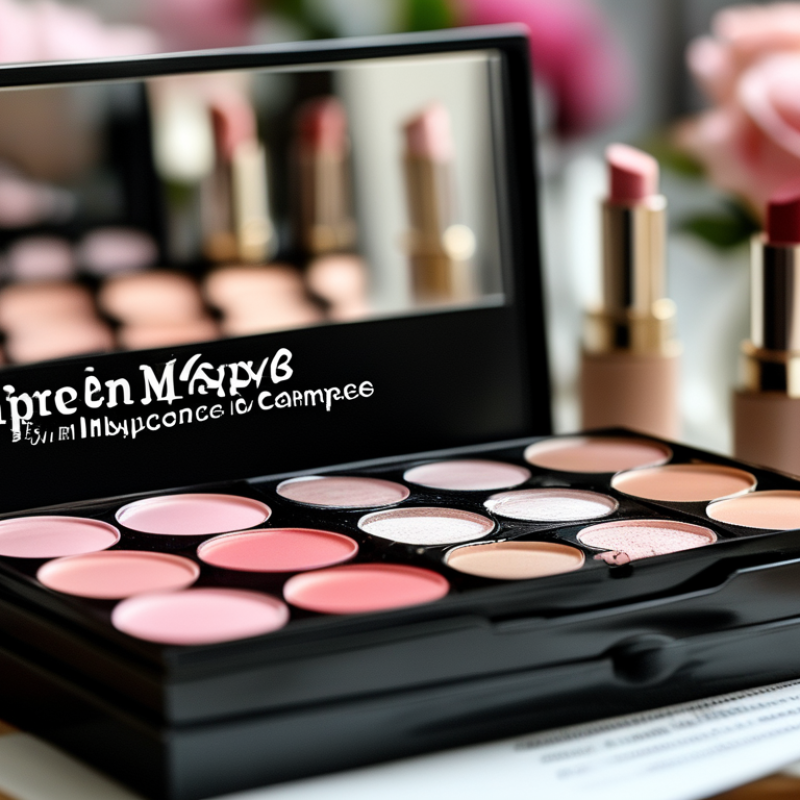
Makeup sourcing in the USA in 2026 involves more than finding a supplier with attractive samples. It requires checking formulation records, ingredient specifications, testing procedures, and production capacity. In practice, reliable suppliers should provide Certificates of Analysis, batch records, microbial testing, and stability data. Ask how they control raw materials and prevent cross-contamination. A clean factory is useful evidence, but it is not proof of consistent quality.
Regulatory review must happen before purchase orders are signed. Cosmetic labels should use appropriate ingredient names, net quantity statements, warnings, and responsible-party information. Under current US requirements, businesses may also need facility registration and product listing duties, depending on their role and product details. Color additives require special attention because their permitted uses can differ. Marketing claims need supporting evidence. “Long-lasting” should come from testing, not optimistic wording.
Costs also include samples, compliance checks, packaging, freight, storage, and rejected batches. Domestic production may shorten communication and reduce transit uncertainty, but minimum order quantities can still be high. I would request three pilot samples from separate batches. Small differences in shade, texture, or fragrance can reveal process weaknesses. I still find supplier questionnaires imperfect; they often describe ideal procedures, not daily behavior. A site audit or video walkthrough helps, though neither replaces independent testing. Keep written approvals, version-controlled formulas, and signed specifications before scaling production.
In 2026, sourcing makeup for the U.S. market involves more than selecting a supplier. Under the Modernization of Cosmetics Regulation Act (MoCRA), cosmetic facilities must renew registration every two years, responsible persons must update product listings annually, and serious adverse events must be reported to the FDA within 15 business days. These statutory timelines are key planning checkpoints for supplier qualification, documentation, and launch readiness.
Source: U.S. Food and Drug Administration, Modernization of Cosmetics Regulation Act of 2022.
A successful makeup project begins with a precise product brief. Define the format, shade range, finish, skin-feel, target user, and packaging size. Specify whether you need a cream blush, loose powder, liquid foundation, or another format. Ingredient preferences matter too. List allergens, fragrance limits, vegan expectations, and restricted substances. Avoid vague claims such as “clean” unless you can explain and support them. Your brief should also identify the intended market, price range, launch quantity, and target delivery date.
Tips: Request a complete ingredient list, product specifications, stability data, microbiological testing, and a certificate of analysis. Ask how the supplier controls batch records and handles complaints. Confirm manufacturing standards, facility location, minimum order quantity, sample fees, lead times, and payment terms. For U.S. sales, review applicable federal requirements and relevant state rules with a qualified compliance professional. Supplier registration, product listing, labeling, and adverse-event procedures may apply, depending on the product and claims.
I have found that samples can hide practical problems. A lipstick may look perfect but break during shipping. A pump may clog after several weeks. Test samples in realistic heat, cold, light, and transport conditions. Compare at least two suppliers using the same written scorecard. Check response speed and documentation quality, not only the lowest quotation. Some requirements may change after testing. That is normal, but record every revision. Reliable sourcing comes from evidence, clear communication, and careful verification.
How to Source Makeup in the USA in 2026?
Finding a U.S. makeup manufacturer in 2026 requires more than a polished website. Start with a detailed product brief and realistic volumes. State the texture, shade range, packaging format, target price, and launch date. Ask whether the facility provides formulation, filling, assembly, or only contract manufacturing. This distinction can change your budget and timeline.
Request an on-site or live video tour of the production area. Look for controlled storage, clean equipment, batch identification, and documented sanitation procedures. Ask for current quality certifications, ingredient specifications, allergen controls, and product testing records. A reliable manufacturer should explain stability testing, preservative testing, microbial testing, and color consistency clearly. Review sample formulas against ingredient declarations and intended cosmetic claims. Avoid promises that testing cannot support.
Compare minimum order quantities, pilot-batch options, lead times, payment terms, and change-control procedures. Request a written quality agreement before placing a large order. Check how the manufacturer handles rejected batches, complaints, recalls, and retained samples. In supplier evaluations, small details matter. A missing lot code can reveal weak process control. My own evaluation process would not be perfect; a confident presentation can still hide poor documentation. Build time for independent testing and a second review. Ask difficult questions politely. Silence is useful information.
A practical evaluation framework for selecting compliant, capable, and commercially suitable U.S. makeup manufacturing partners.
| Evaluation Dimension | What to Verify | U.S. Requirement or Practical Benchmark | Suggested Evidence | Score Weight |
|---|---|---|---|---|
| Regulatory Readiness | Facility registration and cosmetic product listing status under the Modernization of Cosmetics Regulation Act of 2022. | Covered cosmetic facilities generally require FDA registration, renewed every two years. Responsible persons generally update product listings annually. | Registration confirmation, product-listing workflow, regulatory contact, and documented renewal calendar. | 15% |
| Ingredient Compliance | Ingredient names, restricted substances, color additives, allergens, and intended use. | Color additives must be approved for their intended cosmetic use; some color additives also require batch certification. Formula review should be completed before production. | Full INCI ingredient list, percentage ranges, supplier documentation, color-additive certificates where applicable, and regulatory review. | 15% |
| Labeling Capability | Principal display panel, identity statement, net quantity, ingredient declaration, warnings, and responsible business information. | Cosmetic labels generally require product identity, net quantity, ingredient declaration, and the name and place of business. Required information must be presented clearly and conspicuously. | Artwork review checklist, label compliance approval, packaging specifications, and controlled artwork version history. | 10% |
| Safety Substantiation | Scientific support showing that the finished product is safe under customary or reasonably foreseeable use. | The responsible person must ensure and maintain adequate safety substantiation records. No general premarket FDA approval is required for most cosmetics, but color additives are an important exception. | Safety assessment, toxicological review, raw-material specifications, exposure assumptions, and approval records. | 15% |
| Quality Management | Batch records, deviations, change control, investigations, calibration, sanitation, and release procedures. | A documented cosmetic quality system should control materials, processing, packaging, testing, release, complaints, and recalls. ISO 22716 may be used as a recognized cosmetic GMP framework. | Quality manual, SOP index, sample batch record, audit report, CAPA records, and certificate scope if certification is claimed. | 15% |
| Testing and Stability | Microbiological quality, preservative effectiveness where relevant, stability, packaging compatibility, color consistency, and performance. | Testing should be risk-based and appropriate to the product type. Liquid, cream, eye-area, and water-containing products typically require more extensive microbiological and stability assessment than anhydrous powders. | Validated or qualified test methods, stability protocol, accelerated and real-time data, certificate of analysis, and retain-sample procedure. | 10% |
| Production Capability | Compatibility with makeup format, batch size, filling method, decoration, assembly, and scale-up requirements. | Confirm equipment, minimum production quantity, line capacity, filling accuracy, color-matching capability, and whether development and commercial equipment differ. | Equipment list, process flow, pilot-batch record, capacity statement, sample approval process, and production-line photographs or audit access. | 10% |
| Commercial Terms | Minimum order quantity, development fees, tooling, payment terms, lead time, freight terms, and ownership of formulas and artwork. | Lead times and minimum order quantities vary substantially by formula, packaging, decoration, and production schedule. Treat quoted timelines as conditional until specifications are frozen. | Itemized quotation, development schedule, purchase-order terms, intellectual-property clauses, change-order fees, and written service-level expectations. | 5% |
| Complaint and Recall Controls | Complaint intake, adverse-event escalation, traceability, mock recall capability, and finished-goods retention. | Serious adverse events associated with cosmetics generally must be reported to FDA within 15 business days after receipt by the responsible person. Records and distribution data should support rapid traceability. | Complaint SOP, escalation matrix, lot-traceability report, mock-recall results, adverse-event form, and distribution records. | 5% |
How to Source Makeup in the USA in 2026?
The U.S. beauty market reached about $100 billion in 2023, according to McKinsey’s State of Fashion: Beauty report. Growth creates pressure to launch quickly. Compliance cannot become an afterthought. Ask every supplier for a complete ingredient specification, manufacturing address, batch records, and product safety data. Check ingredients against current U.S. restrictions, including color additive requirements. “INCI name” alone is not proof of safety.
Under the Modernization of Cosmetics Regulation Act, responsible parties must list facilities and products with the FDA. They must also maintain safety substantiation and report serious adverse events within 15 business days. FDA guidance should be reviewed before purchasing inventory. A practical check includes stability testing, microbial testing, preservative challenge testing, and packaging compatibility. Keep signed laboratory reports, not screenshots or vague certificates. Testing may still miss real-world misuse.
Label review needs equal attention. Confirm the identity statement, net quantity, ingredient declaration, business details, warnings, and country-of-origin wording. Marketing claims require evidence, especially claims involving “hypoallergenic,” “long-lasting,” or sensitive skin. The FDA’s Cosmetics Labeling Guide remains a useful reference, but it does not replace professional review. I have seen teams approve attractive artwork before checking font size and ingredient order. That mistake is avoidable, though compliance reviews are never perfect. Document assumptions, question supplier claims, and recheck formulas after every change.
How to Source Makeup in the USA in 2026?
How to Manage Costs, Orders, Quality Control, and Distribution
Sourcing makeup in the USA in 2026 requires more than comparing supplier prices. Calculate unit cost, packaging, testing, storage, freight, and possible returns. Request a written quotation with minimum order quantities and payment terms. Ask whether prices change with material costs. My first forecast was too optimistic. A small safety margin would have prevented pressure later.
Order management should connect sales forecasts with production schedules. Start with a trial order before committing to large quantities. Confirm shades, sizes, labeling, ingredients, and delivery dates in writing. Keep approval samples and signed specifications. They matter later. Use a purchase order for every shipment. A shared tracking sheet can record deposits, batch numbers, inspections, and delays. Do not rely on informal messages alone.
Quality control needs clear checkpoints. Review incoming materials, monitor filling, and inspect finished units before release. Check color consistency, closure strength, appearance, and packaging accuracy. Use independent testing when the product or claim requires stronger evidence. Keep batch records and corrective-action reports. Some defects are easy to miss under warehouse lighting. Inspect under consistent conditions. Distribution also needs planning. Choose storage with suitable temperature and humidity controls. Separate approved stock from quarantined goods. Track inventory by batch and expiry information. Domestic delivery may look simple, but damaged cartons and inaccurate counts can quickly erode margins. Review each shipment after delivery, including what went wrong. That uncomfortable review often improves the next order.