How to Find Top China Private Label Makeup Suppliers?
China remains a major sourcing hub for beauty products, but supplier selection requires more than browsing polished catalogs. McKinsey’s 2023 beauty market analysis projected the global beauty industry could approach $590 billion by 2028, with online channels expanding quickly. This growth creates opportunities for brands seeking make up private label manufacturing. It also increases pressure on quality, speed, and product differentiation.
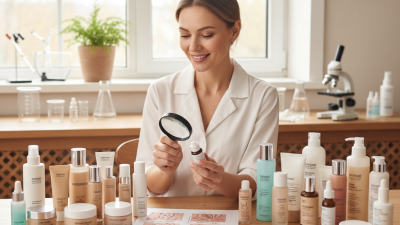
A reliable supplier should provide more than attractive samples. Look for documented GMP practices, ISO 22716 systems, traceable ingredient records, and clear batch controls. Request INCI ingredient lists, certificates of analysis, stability testing, microbiological results, and packaging specifications. Verify whether the factory owns production lines or outsources key processes. A factory tour, live video inspection, and independent audit can reveal details that websites often hide.
Grand View Research has identified strong growth across the global cosmetics market, supported by premium products, digital commerce, and rising consumer interest in specialized formulas. However, market growth does not prove supplier reliability. That assumption can be wrong. A low minimum order quantity may conceal weak quality control or limited production capacity. Buyers should compare sample consistency, lead times, communication records, defect policies, and regulatory support. Requirements differ between markets, so product claims and documentation must be reviewed for the destination country. Experienced sourcing teams also test color accuracy under natural light, inspect compact hinges, and check whether lipstick caps close securely after repeated use. Small details matter. The best China private label makeup supplier is not always the cheapest. It is the partner that can repeatedly deliver safe, compliant, well-documented products at a commercially realistic cost.
What Are China Private Label Makeup Suppliers?
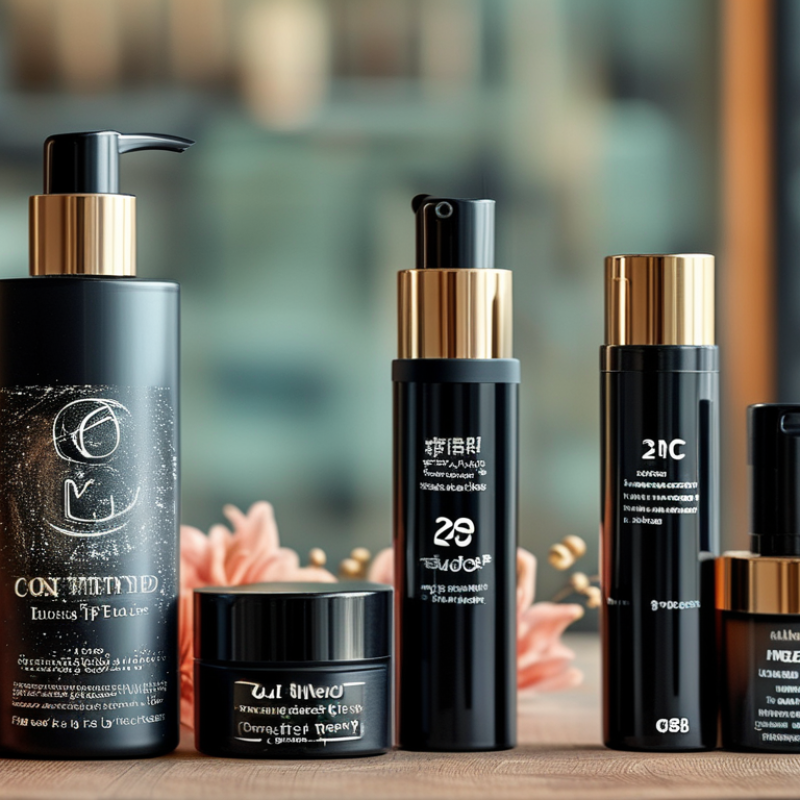
China private label makeup suppliers are manufacturers that produce cosmetics under your own label. They may offer existing formulas, custom development, packaging design, filling, and quality inspection. A lipstick, for example, can arrive in your chosen shade, tube, carton, and printed artwork.
Reliable suppliers should explain their production process clearly. Ask for ingredient lists, safety documents, stability testing, and batch records. Check whether their facility follows suitable cosmetic manufacturing standards. Request samples from the actual production line, not only attractive showroom samples. Small details matter, such as cap fit, color consistency, powder texture, and odor after storage.
I have learned that a low minimum order is not always the best advantage. My first supplier shortlist focused too much on price and overlooked communication delays. That was a mistake. A dependable supplier answers technical questions, confirms lead times, and reports problems honestly. They should also help review packaging dimensions and labeling requirements for your target market. Keep written records of every formula, shade code, approval, and change. Some suppliers sound professional during early calls, but their follow-up may reveal gaps. Visit the factory when possible, or use an independent inspection service before placing a large order. That extra step can expose weak cleanliness controls, unclear material storage, or inconsistent documentation.
Where to Find Reliable Private Label Makeup Manufacturers
How to Find Top China Private Label Makeup Suppliers?
Reliable private label makeup manufacturers are easier to find through verified industry directories, trade fairs, and sourcing agencies with factory contacts. Do not rely on polished product photos alone. Request the factory address, business license, cosmetic production qualifications, and recent audit records. A video tour can reveal filling lines, clean storage areas, batch labels, and basic quality controls.
Ask for samples before discussing large orders. Check lipstick texture, foundation oxidation, powder fallout, scent, and package durability. Request ingredient lists, safety data, stability testing, and microbiological reports where applicable. An experienced manufacturer should explain minimum order quantities, shade development, mold fees, lead times, and correction procedures clearly. Vague answers are warning signs. I have found that even responsive suppliers may underestimate packaging delays. Build extra time into your launch plan.
Tips: Compare at least three factories. Test samples in normal heat and humidity. Ask who owns the formula and artwork files. Confirm whether production records and batch traceability are maintained. Never approve a bulk order from photographs. A small pilot order is safer, although it may cost more per unit. Also check communication quality. Reliable partners report problems early, instead of hiding them until shipment. Some factories look efficient during a call but lack consistent documentation. That gap deserves careful attention.
How to Evaluate Supplier Quality, Compliance, and Pricing
Finding a capable China private label makeup supplier requires more than comparing catalog photos. Request samples from the same batch when possible. Inspect shade consistency, odor, texture, closure strength, and label readability. A polished sample can mislead. Ask how quality is controlled after approval. Review factory ownership, manufacturing experience, quality staff, and relevant certifications. A virtual tour helps, but an independent audit provides stronger evidence. Records matter.
Compliance must be checked against each target market, not treated as a generic certificate. Request the full ingredient list, product specifications, safety assessments, microbial test results, stability data, and batch traceability records. Confirm that packaging claims match supporting evidence. Ask who manages adverse-event records and product changes. For color cosmetics, verify pigment suitability and restricted-ingredient controls. Use a qualified local regulatory professional when requirements are unclear. Small gaps can delay customs clearance or require costly relabeling. Test it again.
Pricing needs a landed-cost view. Compare formula, packaging, testing, tooling, freight, duties, payment terms, and minimum order quantities. Request a written quotation with revision rules. A low unit price may hide expensive inspection or rework. Negotiate quality standards before discounts. Keep approved samples, signed specifications, and defect limits in the purchase agreement. No evaluation is perfect. Even careful reviews can miss production changes, so repeat testing and scheduled inspections remain worthwhile. Trust should grow through records, transparent answers, and consistent deliveries—not fast promises.
How to Choose the Best Supplier and Start Production
How to Find Top China Private Label Makeup Suppliers?
Choosing a supplier is not only about finding a low factory quote. The real work begins before production. Request product samples, ingredient specifications, safety documents, and clear packaging details. Compare the sample with your target texture, shade, coverage, and finish. A professional supplier should explain production steps without hiding behind vague answers. Ask about minimum order quantities, lead times, quality inspections, and revision costs. Written records matter.
Before approving a large order, arrange a small pilot production run. Check filling accuracy, label placement, color consistency, and carton strength. Ask how the factory handles rejected units and batch changes. Production can look smooth in photographs, yet small errors may appear during packing. I once underestimated packaging time; that mistake affected the launch schedule. It was avoidable. A reliable supplier will also help review your formula and packaging choices against the markets you plan to enter. Independent testing may still be necessary.
Tips: Keep one approved sample as your reference standard. Use milestone payments when appropriate. Confirm every change in writing. Visit the facility if possible, or use a qualified third-party audit. Trust develops slowly. That is healthier.