
How to Choose Nail Polish for Your Nails in 2026?

Choosing nail polish in 2026 is no longer only about matching a dress or following a trending color. Nail health, ingredient transparency, wear time, and removal methods now matter just as much. This guide explains how to select polish that suits your nail type, daily routine, and personal style. It also considers how “Nail Polish Nails” searches often mix beauty advice with genuine care concerns.

A practical choice begins with observation. Are your nails thin, peeling, ridged, oily, or naturally strong? A glossy formula may highlight ridges, while a strengthening base coat can create a smoother surface. However, “strengthening” claims deserve careful reading. Some formulas feel protective but may leave nails dry after repeated use. A patch test around the skin can help identify irritation before a full manicure. Stop using a product if burning, swelling, or persistent redness appears.

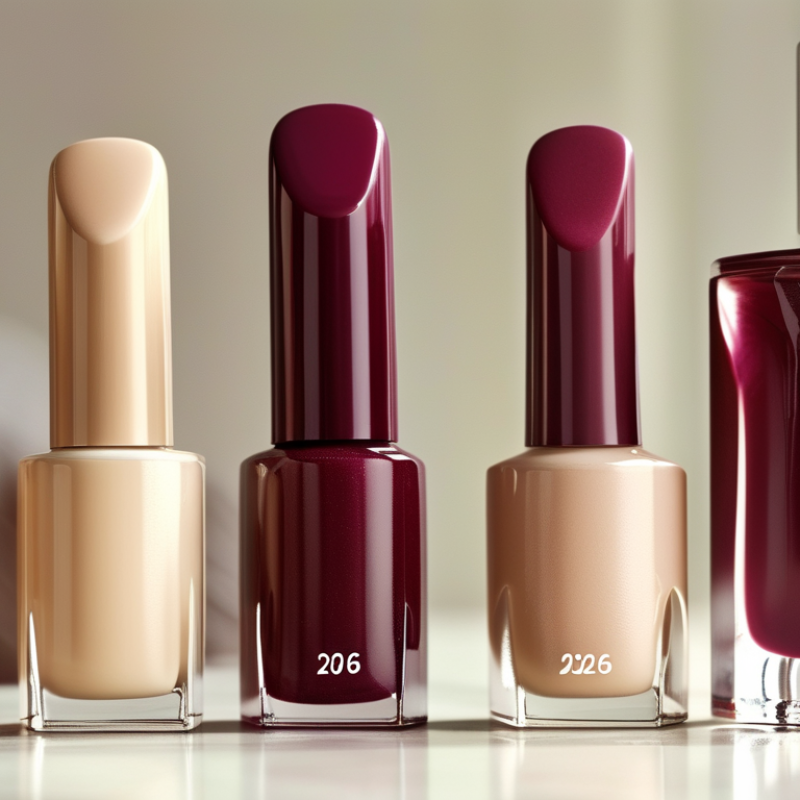
Color selection needs context. A soft beige can make short nails look neat, while deep berry shades create stronger contrast. Lighting changes everything. Test one painted nail near a window, not only under store lights. I once chose a muted pink that looked elegant indoors but appeared gray outside. That mistake still influences my buying habits.

Reliable recommendations should consider manufacturer information, professional nail-care guidance, and real user experience. Check the ingredient list, brush quality, drying time, and removal requirements. People with allergies or ongoing nail problems should seek advice from a qualified healthcare professional. Trends may change quickly in 2026. Healthy, comfortable nails should remain the better standard.
How to Choose Nail Polish for Your Nails in 2026?

Understanding Nail Polish Types and Their Key Differences

How to Choose Nail Polish for Your Nails in 2026?

Understanding nail polish types helps you choose beyond color and fashion. Traditional lacquer dries when its solvents evaporate. It is easy to remove, affordable, and suitable for frequent color changes. However, it may chip after several days, especially on soft or flexible nails. Gel polish cures under UV or LED light and usually offers stronger wear. Removal takes longer and often requires careful soaking, not forceful peeling. Water-based polish produces less solvent odor, but its durability can be inconsistent.

The differences matter for nail condition. Gel systems may feel protective, yet repeated curing and rough removal can leave nails thin or brittle. The American Academy of Dermatology recommends avoiding picking and giving damaged nails time to recover. Market research also shows continued demand: Fortune Business Insights valued the global nail polish market at about 14.67 billion dollars in 2023, with growth projected through 2032. These figures describe sales, not healthy usage. That distinction is easy to miss.

Tips: Check your nail texture first. Flexible nails may need a gentler lacquer. Choose gel for longer wear, but follow removal instructions carefully. Look for clear ingredient labeling and stop using any formula that causes burning, swelling, or persistent redness. I still find that “long-lasting” is not always better. A shorter manicure can be kinder. Patch-testing is sensible, though it cannot predict every reaction.


Assessing Your Nail Condition, Lifestyle, and Application Needs

How to Choose Nail Polish for Your Nails in 2026?

Start by examining your nails before choosing a color or finish. Thin, peeling nails may need a flexible base coat and fewer polish layers. Deep ridges can make glossy finishes look uneven, so a ridge-filling base may help. If your nails feel sore, yellow, or unusually brittle, pause cosmetic use and seek professional advice. I once ignored peeling at my fingertips and applied polish anyway. The result looked neat for one evening, then chipped badly.

Your daily routine matters as much as nail condition. Frequent handwashing, cleaning, typing, or sports can shorten wear time. In these cases, choose a polish that dries evenly and tolerates regular contact with water. Keep coats thin; thick layers often remain soft underneath. If you work with food or care for children, avoid lengthy drying routines. A simple two-coat application may suit you better. Check the ingredient label if you have known sensitivities, and test a small area before a full manicure.

Application needs also shape the right choice. Beginners often benefit from a wider brush and a forgiving formula. Short nails usually need less product near the cuticle. Leave a narrow gap around the skin to reduce flooding and lifting. Use ventilation, even with familiar products. Do not pick off chips, because that can remove surface layers. My own application is still imperfect: one hand usually has a cleaner edge than the other. A cleanup brush and gentle remover make the difference.

How to Choose Nail Polish for Your Nails in 2026? - Assessing Your Nail Condition, Lifestyle, and Application Needs

Nail Condition Typical Signs Recommended Polish Type Suitable Finish Application Priority Expected Wear Goal Practical Tip
Healthy, smooth nails Even surface, minimal splitting, and normal flexibility Regular nail polish or long-wear polish Glossy, cream, sheer, or shimmer Even coverage and color preference About 5–7 days with proper preparation Apply a base coat and finish with a top coat to improve adhesion and shine.
Thin or flexible nails Nails bend easily, feel soft, or develop small splits Flexible strengthening base with regular polish Sheer or light cream formulas Flexibility rather than excessive hardness About 3–5 days Avoid very thick layers and do not use polish to conceal pain, discoloration, or persistent damage.
Peeling or layered nails Free edge separates into thin layers or flakes Protective base coat with a forgiving polish formula Short-wear cream or sheer finish Minimizing removal stress About 3–5 days Keep nails shorter, seal the free edge, and remove polish gently without scraping or peeling it off.
Dry or brittle nails Rough texture, frequent breakage, or visible cracks Moisture-supportive nail care followed by regular polish Sheer, jelly, or satin finish Gentle preparation and easy removal About 3–5 days Use cuticle oil or hand cream regularly and avoid prolonged water exposure before application.
Ridges or uneven texture Vertical lines, shallow grooves, or an irregular nail surface Ridge-filling base coat with medium-coverage polish Cream, satin, or fine shimmer Smoothing the surface About 5–7 days Use thin coats; highly reflective metallic and glitter finishes may emphasize texture.
Stained or yellowed nails Uneven yellow, orange, or brown discoloration after frequent polish use Opaque polish over a protective base coat Cream, muted colors, or opaque dark shades Color uniformity and stain prevention About 5–7 days Allow occasional polish-free time and use a base coat; seek medical advice for unexplained or worsening discoloration.
Short nails Limited free edge and a compact nail plate Fast-drying regular polish or sheer color Sheer, cream, glossy, or micro-shimmer Clean edges and controlled brush strokes About 4–6 days Leave a very narrow gap around the edges to create a neat appearance and reduce flooding the cuticle.
Long or active-use nails More free edge exposed to impact, typing, or daily friction Durable regular polish with a flexible top coat Cream, glossy, or subtle shimmer Tip sealing and impact resistance About 5–7 days Cap the free edge with base coat, color, and top coat, and keep the length practical for daily activities.
Sensitive skin around the nails Redness, itching, dryness, or irritation after products Simple-formula polish tested on a small area first Any finish that can be removed easily Ingredient awareness and clean application Depends on individual tolerance Avoid applying polish to broken skin, stop if irritation occurs, and consult a healthcare professional for recurring reactions.
Nails affected by suspected infection Persistent thickening, pain, odor, green-black color, or lifting No cosmetic polish until professionally assessed Not recommended before assessment Diagnosis and nail health Not applicable Cosmetic polish may hide changes and delay care; seek advice from a qualified medical professional.
Frequent polish changes Color is changed several times per week or for different occasions Easy-removal regular polish Sheer, cream, or light shimmer Removal speed and reduced rubbing About 2–4 days Use enough remover to dissolve the polish and avoid repeated aggressive rubbing of the nail surface.
Busy schedule or travel Limited time for touch-ups and long periods away from home Long-wear polish with a quick-drying top coat Glossy cream or subtle shimmer Drying time and chip resistance About 5–7 days Choose a color that disguises small chips and allow each coat to dry before applying the next one.
Frequent hand washing or wet work Regular exposure to water, soap, cleaning products, or gloves Durable polish with a protective top coat Glossy or cream Sealed edges and maintenance About 3–5 days Wear protective gloves when appropriate, dry hands thoroughly, and refresh the top coat when shine and protection fade.
Low-maintenance preference Desire for a natural look with minimal upkeep Nail-strengthening base or sheer tinted polish Sheer, translucent pink, beige, or clear Simple application and discreet regrowth About 5–7 days Neutral sheer shades generally make minor tip wear less noticeable than high-contrast colors.

Choosing Colors, Finishes, and Formulas for Your Nails

Choosing nail polish well starts with observing your nails, not chasing every color trend. A shade should suit your skin undertone, nail length, and daily routine. Cool undertones often pair well with blue-red, berry, or soft pink shades. Warm undertones can complement coral, caramel, or orange-red colors. Neutral shades usually offer more flexibility. Short nails can look elegant in deep colors, while sheer tones create a softer appearance. Still, rules are imperfect. I once chose a pale beige for a formal event, but it made my hands look washed out.

The finish changes the mood and the visible texture. Cream finishes look polished and forgiving on uneven nails. Shimmer reflects light and can make small nails appear brighter. Metallic finishes feel bold, but they often reveal brush marks. Glitter adds texture, although removal can become frustrating. For a clean work setting, satin or glossy finishes may appear more practical than heavy glitter. Try one nail first. Observe it outdoors.

Formula matters for comfort, wear, and removal. If your nails peel or feel thin, a flexible formula may feel better than a thick, rigid coating. Quick-drying formulas save time, but they can become difficult to control during application. Read the ingredient label and follow the product’s safety directions. Apply thin coats over clean, dry nails, allowing each layer to set. Avoid polishing over irritated skin or damaged nails. I sometimes apply too much polish when rushing, and the result chips faster. That small mistake reminds me to value careful preparation over speed.

Checking Ingredients, Safety Standards, and Product Quality

Choosing nail polish in 2026 means reading beyond shade names. The FDA classifies nail products as cosmetics. Color additives must meet approval requirements for their intended use. The European Commission’s CosIng database and SCCS opinions provide useful ingredient information. They are reference tools, not personal medical clearance.

Check the full ingredient list, manufacturer contact, batch code, net contents, and recommended use. Look for solvents, plasticizers, pigments, and fragrance allergens.

A strong smell is not proof of danger. “Clean” is not proof of safety. Grand View Research’s 2024 market analysis projects about 6.8% annual growth for nail polish through 2030. More products mean more polished claims. Evidence matters more.

Try one thin coat on a nail tip or small area. Observe drying, cracking, and irritation.

Stop after burning, swelling, or persistent redness. Use ventilation and avoid broken skin.

The Cosmetic Ingredient Review database contains safety assessments for thousands of cosmetic ingredients, but conclusions depend on exposure assumptions. I still find comparisons imperfect. Formulas change, labels can lag, and online reviews rarely control for allergies. That uncertainty deserves attention.

Applying, Maintaining, and Removing Nail Polish Properly

Choosing nail polish in 2026 should begin with your nail condition, not color trends. Fortune Business Insights valued the global nail polish market at approximately $11 billion in 2023. Grand View Research also reports continued market growth through 2030. That expansion brings more finishes, curing systems, and ingredient claims. Read the ingredient label carefully. Brittle nails may tolerate flexible, breathable formulas better than very hard coatings. A dermatologist can help when nails split, discolor, or hurt.

Application affects durability. Wash your hands, dry them completely, and remove surface oil gently. Apply a thin base coat, two thin color layers, and a protective top coat. Let each layer dry before adding another. Keep polish away from the skin and cuticle. Flooded edges can lift quickly. Seal the free edge with a small brush stroke. I still apply coats too thickly sometimes. That mistake causes dents and peeling.

Maintenance needs small, consistent habits. Wear gloves when washing dishes or using household cleaners. Do not use nails as tools. Add a thin top coat after several days, especially on the tips. Remove polish when it chips deeply or pulls at the nail. Soak cotton with remover, press it on the nail, then wipe toward the tip. Avoid scraping or forcibly peeling. Acetone removes stubborn layers efficiently, but it can dry surrounding skin. Apply hand cream and cuticle oil afterward. The American Academy of Dermatology recommends moisturizing nails and cuticles to reduce dryness and breakage. Short pauses between manicures may also reveal problems that polish hides.

How to Choose Nail Polish for Your Nails in 2026?

Typical wear time varies by nail type, preparation, application quality, water exposure, and removal habits. Regular polish usually lasts about 5–7 days, while gel, dip powder, and acrylic overlays commonly last around 14–21 days. Apply thin layers, allow each layer to dry properly, moisturize the cuticles, and remove polish gently without peeling.

Social media & sharing icons powered by UltimatelySocial
Facebook
LinkedIn
Instagram
Tiktok