Why Choose Private Label Makeup Vendors for Your Beauty Brand?
In the competitive world of beauty brands, choosing the right suppliers is crucial. This is where private label makeup vendors come into play. Industry expert Sarah Johnson, known for her insights on beauty entrepreneurship, once said, "Working with private label makeup vendors can elevate your brand while keeping costs manageable."
These vendors offer a chance to create unique products without extensive research and development. They simplify the process, allowing brands to focus on marketing and customer engagement. However, it’s essential to vet these vendors carefully. Not all private label makeup vendors provide the same quality or service.
While the benefits are clear, pitfalls exist. Poor communication can lead to product inconsistencies. There’s also the risk of over-reliance on a single vendor, which can stifle creativity. Thus, the choice requires reflection on quality, reliability, and the potential impact on your brand's vision. Balancing these aspects is key to ensuring long-term success in the beauty industry.

Benefits of Partnering with Private Label Makeup Vendors
Private label makeup vendors offer numerous benefits for beauty brands looking to stand out. These vendors provide customizable products, allowing brands to create unique formulations tailored to their target audience. According to a 2022 survey by Statista, 42% of consumers prefer products from brands that prioritize ethical sourcing and sustainability. Partnering with the right vendor can meet these growing consumer demands.
Maintaining quality control is crucial. Private label vendors often have established processes for consistent product quality. A 2021 report by Grand View Research highlighted that the global cosmetics market is projected to reach $805 billion by 2025. As more brands enter this space, ensuring product quality can be a substantial challenge without the right partnerships. However, not every vendor guarantees the same standard, necessitating thorough research and consideration.
Cost efficiency also plays a significant role. Utilizing private label vendors often reduces production costs by eliminating the need for extensive in-house development teams. A case study from the Cosmetic Industry Association noted that brands could save up to 30% in development costs by opting for private label solutions. Yet, some companies struggle with transparency in pricing models, leading to unexpected expenses later on. This highlights the importance of clear agreements with vendors before entering partnerships.
Understanding Private Label Makeup Concepts for Beauty Brands
Private label makeup concepts allow beauty brands to create unique products tailored to their audience. According to a recent industry report, private label cosmetics are expected to grow at a compound annual growth rate (CAGR) of 10% through 2025. This growth indicates a strong demand for customizable beauty products. Brands can utilize these services to differentiate themselves in a crowded market.
Choosing a private label vendor doesn't guarantee success. Brands must invest time in selecting the right formulations and packaging. A study revealed that 30% of consumers are drawn to innovative packaging designs. Additionally, quality control is crucial; poor product performance can lead to negative brand perception. Many new brands overlook the importance of thorough testing.
Building a connection with consumers requires transparency. Brands should be honest about ingredients and sourcing practices. A survey found that 68% of consumers prefer brands that prioritize sustainability. This focus can help brands resonate with eco-conscious customers. However, achieving sustainability in production is often challenging and requires ongoing effort.
Key Considerations When Choosing a Private Label Makeup Vendor
Choosing the right private label makeup vendor is crucial for any beauty brand. Start by evaluating the vendor's experience in the industry. A seasoned vendor understands market trends and can offer insights. Look for vendors who have a diverse product range. This allows you to select items that align with your brand vision.
Consider the quality of ingredients used in the products. Check if they comply with safety standards. Poor quality can tarnish your brand’s reputation. It's important to request samples before committing. This helps in assessing the effectiveness and feel of products. Communication is key. A vendor who is responsive can make the process smoother, but sometimes their responses may not meet your expectations.
Pricing is another factor to reflect on deeply. While affordability is important, don’t compromise quality for cost. Analyze if the vendor offers transparent pricing. Hidden costs can surprise you later. Always read reviews and perhaps consult other brands. Their experiences can illuminate potential pitfalls when dealing with specific vendors. Each step in this process requires careful thought and revisiting earlier decisions. Don't rush; take the time to choose wisely.
Why Choose Private Label Makeup Vendors for Your Beauty Brand? - Key Considerations When Choosing a Private Label Makeup Vendor
| Criteria |
Importance Level |
Notes |
| Quality of Products |
High |
Ensure the vendor meets industry standards for quality. |
| Customization Options |
Medium |
Look for vendors that offer a variety of formulations and packaging. |
| Minimum Order Quantity (MOQ) |
High |
Consider your production capabilities and budget constraints. |
| Pricing Structure |
High |
Request samples and assess value versus cost. |
| Lead Time |
Medium |
Check how quickly they can fulfill orders. |
| Regulatory Compliance |
High |
Ensure the vendor complies with safety regulations. |
| Customer Support |
Medium |
Evaluate responsiveness and support availability. |
How Private Label Vendors Enhance Brand Identity and Customization
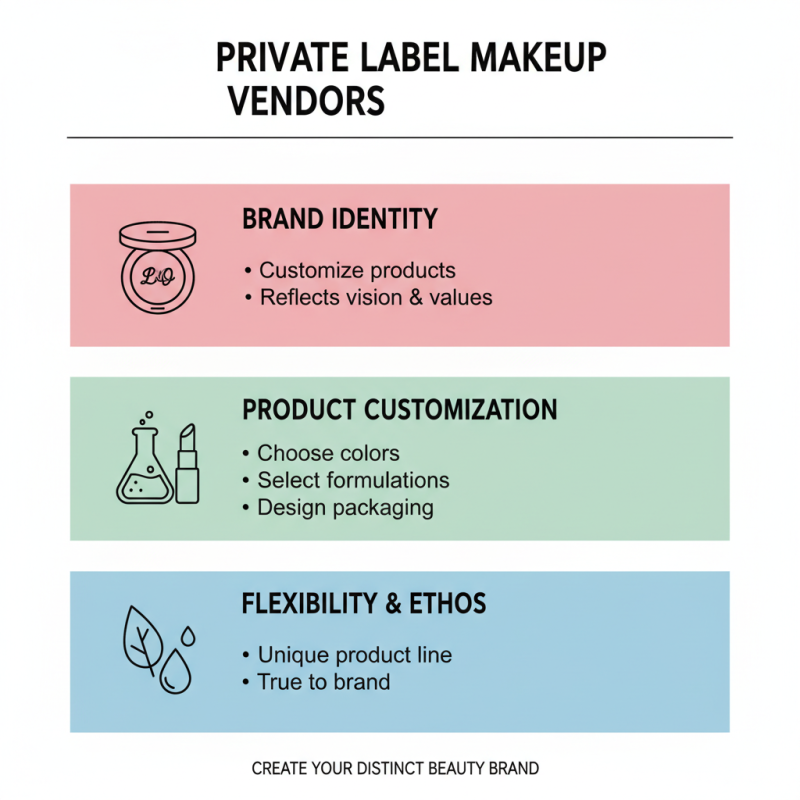
Private label makeup vendors provide a unique opportunity for beauty brands to create a distinct identity. They allow brands to customize products according to their vision and values. With private label options, brands can choose specific colors, formulations, and packaging designs. This flexibility helps in creating a product line that is truly representative of the brand's ethos.
Many startups struggle with establishing a unique presence in a crowded market. Working with private label vendors can alleviate this challenge. However, customization can still be a tricky path. It requires careful consideration of customer preferences and market trends. Small tweaks in color or packaging can lead to significant shifts in consumer perception. So, it is essential to continuously test and refine products.
Additionally, while private label products often boast lower costs, the quality must never be compromised. An imperfect product can tarnish a brand’s reputation. Brands need to thoroughly vet their vendors and demand high-quality standards. It's a learning curve that involves trial and error, but the rewards can be substantial. Ultimately, a well-defined brand identity can emerge from thoughtful customization efforts.
Navigating Quality Control and Compliance in Private Label Makeup Products
Quality control is crucial when selecting private label makeup vendors. Many brands face challenges in ensuring their products meet industry standards. It happens often; a product may look great but fails safety tests. Understanding compliance is essential for success.
Investing time in vendor audits can save headaches later. Don't hesitate to ask for certifications and quality metrics. Look for vendors who provide transparent supply chain information. This can help you address potential issues before they become problems.
Testing samples before mass production is vital. Many new brands overlook this step. Samples can show flaws in color, texture, and wearability. Be prepared to reevaluate your choices based on these tests. Remember, quality control doesn’t happen by chance; it needs consistent effort.