Making cosmetics at home can be a fun and creative adventure. In 2026, more people are discovering the joy of crafting their own beauty products. With just a few ingredients, you can create unique items tailored to your needs. It's an empowering experience that connects you to the products you apply daily.
Many beginners feel intimidated by the idea of making cosmetics. It may seem complicated, but starting small can lead to great results. The best way to make cosmetics often involves simple recipes that use natural ingredients. You might enjoy creating lip balms or body scrubs that feel luxurious and nourishing.
Remember, the process can be messy. Not every batch will turn out perfect. Some mixtures may not blend well, or the scent might be off. Reflecting on these small mistakes is part of the learning curve. Each attempt teaches you more about your preferences and skills. Embrace this journey of trial and error as you learn to make cosmetics that truly express your individuality.
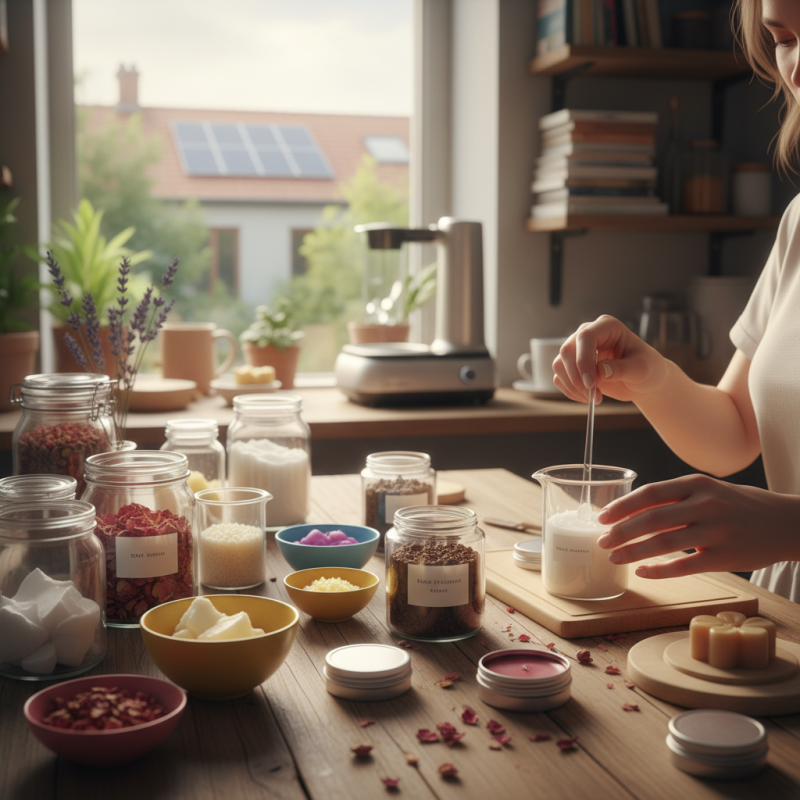
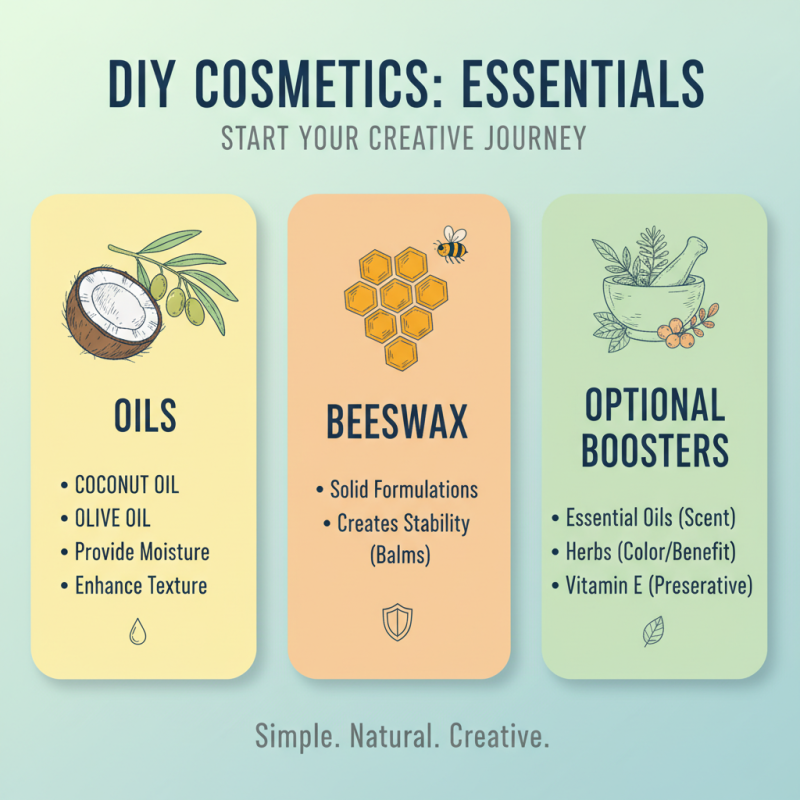
Making cosmetics at home can be exciting and fulfilling. To get started, you’ll need a few essential ingredients. Oils like coconut and olive are great bases. They provide moisture and enhance texture. You can also use beeswax for solid formulations. It creates stability in balms.
Natural additives can transform your products. Consider using honey for its antibacterial properties. Aloe vera is soothing and hydrates the skin. For color, try beetroot powder or turmeric. Both offer vibrant hues without chemicals. But, be cautious with quantities. A little goes a long way.
Experimentation is key. You might not get it right the first time. Your lipstick could be too hard or too oily. Keep track of measurements to refine your creations. If a product doesn’t work, don’t be discouraged. Adjust and make notes. Each attempt brings you closer to perfection.
Creating cosmetics at home can be both fun and rewarding. To start, you need a few basic tools. A mixing bowl is essential for combining your ingredients. Look for one that is easy to clean. A spatula or spoon will help you mix and scoop out your products. These tools are often overlooked, but they can make a big difference.
You’ll also need measuring spoons and a scale. Accurate measurements are crucial for consistent results. Remember, a small error can alter your final product. Be mindful of your measurements. A set of empty containers is another must-have. They will store your finished cosmetics. Try to choose containers that are dark to preserve the product's integrity.
Having a double boiler helps melt solid ingredients gently. Avoid using high heat; it can damage delicate components. A whisk or hand mixer can aid in creating emulsions. However, don’t expect perfect results at first. Your initial attempts might be lumpy or not blend well. Embrace these imperfections; they are part of the learning curve. Over time, you’ll refine your technique and discover what truly works for you.
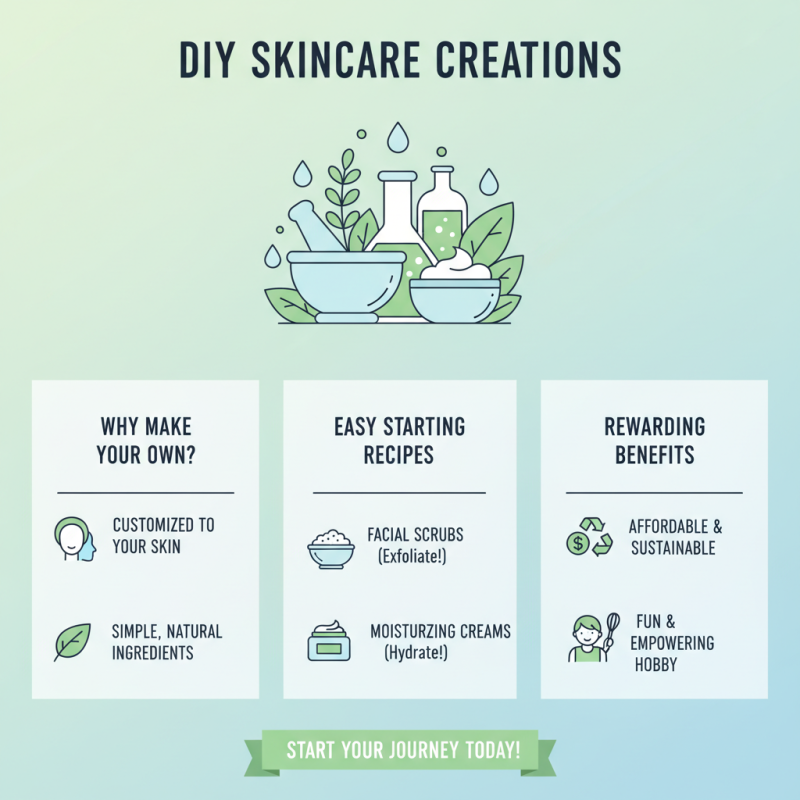
Creating your own skincare products at home can be exciting and rewarding. With simple ingredients, you can whip up goodies that suit your skin. Start with basic recipes like facial scrubs or moisturizing creams.
One popular option is a sugar scrub. Mix sugar with coconut oil until it forms a paste. Adjust the ratio to achieve your desired consistency. Apply gently to damp skin, using circular motions. Afterward, rinse and feel the softness! Keep in mind: if it's too gritty, add more oil.
When making products, remember to clean your tools. This prevents contamination. Use clean jars for storage. Label your creations with the date. Consider the shelf life. Not everything lasts long, especially without preservatives.
Don’t be afraid of trial and error. Your first batch may not be perfect. Adjust ingredients based on your skin's reaction. Sometimes, less is more. Test small amounts first. Always watch for allergic reactions. Enjoy the journey of crafting your custom skincare!
Creating your own makeup at home can be a fun and rewarding experience. According to recent surveys, over 40% of consumers are interested in DIY cosmetics. This trend reflects a desire for personalization and control over ingredients. Beginners might start with simple recipes using common household items. For example, a basic lip balm can be made with beeswax and coconut oil. Mix equal parts, melt, and pour into containers. This process allows for experimentation with different scents or colors.
The beauty industry is rapidly evolving. In fact, a report by the Global Organic Cosmetics Market predicts a significant growth rate of 9.5% annually through 2025. This shift highlights the preference for sustainable and natural products. However, beginners should be cautious. Not all ingredients are safe for all skin types. Patch testing is crucial. Also, storage can sometimes be a challenge. While homemade cosmetics lack the preservatives found in commercial products, they have a shorter shelf life. Users might find their creation has a different texture or fragrance over time, which can be disappointing.
When starting out, the journey is as important as the outcome. Mistakes are part of the learning curve. Your first attempt may not yield perfect results. Color might not blend well or texture may be off. Embrace these imperfections as opportunities to improve. Each recipe offers a chance to refine your skills and enhance your understanding of personal care. DIY makeup isn't just about beauty; it's about self-expression and creativity.
| Cosmetic Type | Ingredients | Preparation Method | Benefits |
|---|---|---|---|
| Lip Balm | Beeswax, Coconut Oil, Essential Oil | Melt beeswax and coconut oil, mix in essential oil, pour into containers. | Moisturizes lips, easy to make. |
| Face Mask | Honey, Yogurt, Oatmeal | Mix all ingredients, apply on face for 15 minutes, rinse off. | Hydrates skin, exfoliates gently. |
| Body Scrub | Sugar, Olive Oil, Vanilla Extract | Combine sugar and olive oil, add vanilla, mix well. | Exfoliates skin, leaves it soft and smooth. |
| Foundation | Cocoa Powder, Arrowroot Powder, Almond Oil | Mix cocoa and arrowroot for color, add oil to create consistency. | Natural coverage, customizable shade. |
| Eyeliner | Activated Charcoal, Aloe Vera Gel | Mix charcoal with aloe to form a paste. | Safe for sensitive eyes, easy to apply. |
Creating cosmetics at home can be fun, but safety is crucial. Start by using clean equipment. Germs can easily contaminate your products. Always sterilize your containers and tools before starting. This simple step can prevent infections and allergic reactions.
Tip: Wear gloves during your process. This helps protect your skin and keeps ingredients from transferring oils. Some natural ingredients may cause irritation. Always patch test a small area before applying anything new. Choose ingredients wisely and know your skin type.
It's essential to store your homemade products properly. Keep them in a cool, dark place. Sunlight can degrade your creations. Wooden or tight glass containers are ideal. Be mindful of expiration dates. Some natural products spoil quickly. Take breaks to reassess your methods. Learning and improving is part of the process.